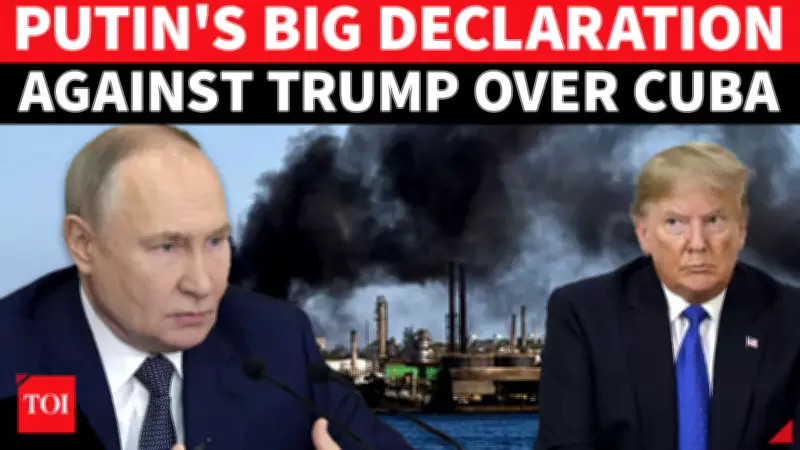
Russia Steps In to Aid Cuba's Energy Crisis Amid US Blockade
In a significant geopolitical move, Russia has pledged to dispatch crude oil and fuel shipments to Cuba, offering a lifeline to the island nation as it struggles with a severe energy crisis exacerbated by United States sanctions. This development follows Washington's imposition of an oil blockade that has crippled Havana's already fragile energy infrastructure, leading to widespread blackouts and acute jet fuel shortages that have disrupted daily life and air travel.
Moscow's Response to Washington's Pressure
According to reports from a Russian newspaper citing diplomatic sources, Moscow plans to send these critical energy cargoes in the near future. This action comes directly after the US threatened penalties against any countries supplying oil to Cuba, intensifying the economic and logistical challenges faced by Havana. The Russian intervention is seen as a strategic countermeasure to US policies, highlighting the ongoing tensions between global powers in the Caribbean region.
Impact of the US Energy Blockade on Cuba
The US energy blockade has pushed Cuba's energy system into a deeper crisis, with consequences that extend beyond mere fuel shortages:

- Widespread Blackouts: Frequent power outages have become commonplace, affecting homes, businesses, and essential services across the island.
- Severe Jet Fuel Shortages: Air travel has been significantly disrupted, with flights delayed or canceled due to insufficient fuel supplies, impacting both domestic and international connectivity.
- Daily Life Disruptions: From transportation to healthcare, the energy crisis has permeated all aspects of Cuban society, creating hardships for residents and straining the nation's economy.
Broader Geopolitical Implications
This oil showdown between Russia and the US over Cuba is part of a larger pattern of international rivalries. Recent events, such as Russian warships joining Iranian military exercises in the Sea of Oman and Chinese naval presence in the Strait of Hormuz, underscore the escalating tensions. Additionally, the US military's strikes in the Caribbean and Pacific, which reportedly resulted in casualties amid Cuba tensions, further complicate the regional dynamics.
Russia's decision to send oil to Cuba not only provides immediate relief but also strengthens Moscow's influence in Latin America, challenging US dominance in the hemisphere. As global powers maneuver in response to these developments, the situation in Cuba remains a focal point of diplomatic and economic contention, with potential ramifications for international relations and energy security worldwide.