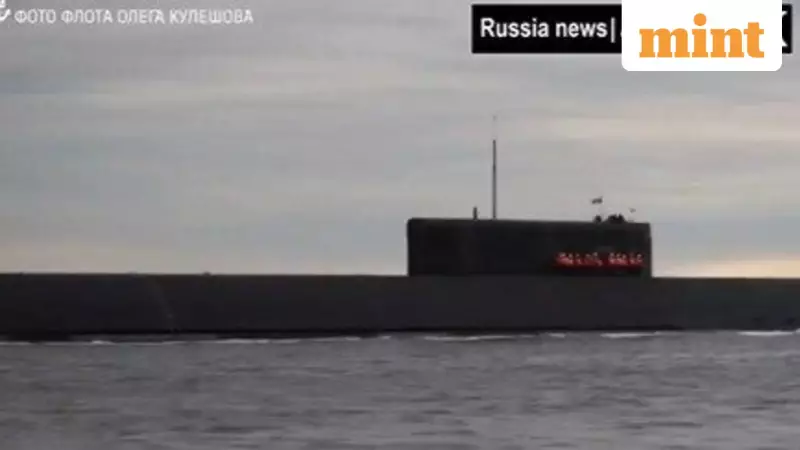
A tense maritime standoff is unfolding in the frigid waters of the North Atlantic, as Russia has deployed a submarine and other naval assets to escort a derelict oil tanker being shadowed by the United States Coast Guard. This dramatic move has transformed a routine sanctions enforcement operation into a fresh and dangerous geopolitical flashpoint between Moscow and Washington, according to a Wall Street Journal report cited by US officials.
From Bella 1 to Marinera: A High-Seas Chase
The vessel at the heart of the crisis, now sailing under the name Marinera, was previously known as Bella 1. For more than two weeks, the tanker has been attempting to evade a US-led blockade targeting sanctioned oil shipments near Venezuela. The WSJ report states the ship failed to dock and load crude before heading into the Atlantic Ocean.
Though currently empty and visibly deteriorating, the tanker's journey has drawn intense scrutiny. US authorities are pursuing it as part of a broader crackdown on what they describe as a global network transporting illicit oil linked to Russia and other sanctioned states. In a bold move last December, the vessel's crew repelled an attempt by US authorities to board it. During its escape, they crudely painted a Russian flag on the hull, renamed the ship Marinera, and shifted its registration to Russia.

Moscow's Unusual Intervention and Legal Grey Zones
Russia's decision to allow the tanker to register under its flag without standard inspections or formalities has been described by experts as highly unusual. Analysts say it reflects Moscow's growing concern over recent US seizures of vessels accused of transporting illicit Russian oil, a trade crucial to parts of the Russian economy.
This re-registration has significantly complicated the legal landscape. When the US began tracking it as the Bella 1, the White House declared the ship stateless, flying a false flag, and subject to a judicial seizure order. It had been previously sanctioned for allegedly transporting black-market Iranian oil.
"Once it's legitimately registered, it gets the protection of the flag under international law," said retired Rear Adm. Fred Kenney, former legal director at the International Maritime Organization. "It's not retroactive." This legal muddle means any US attempt to forcibly board the tanker now could be seen as an act against a Russian-flagged vessel, potentially inviting retaliation.
Wider Geopolitical Backdrop and the 'Dark Fleet'
The standoff is set against the strained diplomatic relations between Washington and Moscow over Ukraine. Russia has formally asked Washington to halt its pursuit of the tanker, and its Foreign Ministry stated it is monitoring the situation "with concern." The US Southern Command, however, has said it is prepared to "stand against sanctioned vessels and actors transiting through this region."
This incident highlights the growing challenge of the so-called "dark fleet"—a shadow armada of over 1,000 ageing tankers that has proliferated due to Western sanctions imposed after Russia's invasion of Ukraine. These vessels operate with opaque ownership, often switch off tracking signals, and transfer cargo in poorly monitored waters, raising major safety and environmental concerns.
The United States has already seized two very large crude carriers—the Skipper and the Centuries—from this network. The question now is whether Russia's direct naval protection of the Marinera marks a new, more aggressive phase in shielding this clandestine trade, further escalating tensions on the high seas.