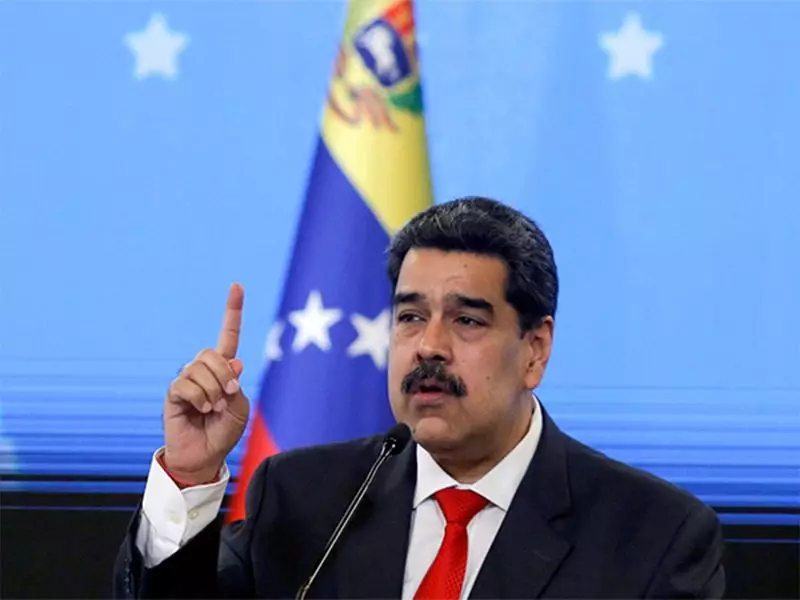
Russia has issued a stern condemnation following the reported capture of an envoy linked to Venezuelan President Nicolas Maduro, labelling the act an unacceptable violation of sovereignty. The incident has triggered a fresh diplomatic crisis, drawing sharp lines between global powers.
Moscow's Firm Stance on the Incident
The Russian government, through its official channels, expressed strong disapproval of the operation that led to the detention of the individual connected to the Maduro administration. While specific operational details remain under wraps, the core of Moscow's outrage centres on the principle of state sovereignty. Russian officials emphasized that such actions, perceived as extraterritorial and forceful, undermine the foundational norms of international law and diplomatic engagement.
This reaction underscores Russia's continued political support for the government of Nicolas Maduro in Venezuela. The two nations have maintained close strategic and economic ties for years, with Russia often providing diplomatic cover and material support against pressure from Western nations. Therefore, any perceived attack on a Maduro associate is viewed in Moscow as a direct challenge to a key ally and to the multipolar world order it advocates.

Details of the Capture and Immediate Fallout
According to reports that prompted the Russian statement, the captured individual was a close associate or envoy of President Maduro. The operation was allegedly carried out in a third country, a factor that significantly escalates its diplomatic gravity. Russia's foreign ministry was quick to frame the event not as a simple law enforcement action but as a politically motivated abduction.
The immediate consequence has been a formal protest lodged by Moscow. The language used, including terms like unacceptable and violation, indicates a severe deterioration in relations with the countries believed to be behind the operation. This event is likely to freeze cooperation on other bilateral issues and could lead to retaliatory measures from Russia, though the nature of such responses is not yet clear.
Broader Implications for International Relations
This incident throws a spotlight on the ongoing proxy tensions between global powers in regions like Latin America. The capture of a high-profile Venezuelan figure is seen as part of the wider geopolitical struggle surrounding the Maduro presidency, which is recognized by some nations and contested by others. Russia's vehement defence solidifies its position as Venezuela's principal external backer.
Furthermore, the accusation of a sovereignty violation sets a contentious precedent. It raises complex questions about the limits of international law enforcement, extradition processes, and the right of nations to conduct operations beyond their borders. The fallout may influence how similar situations are handled in the future, with countries becoming more cautious or, conversely, more emboldened.
In conclusion, Russia's strong condemnation of the capture of Nicolas Maduro's envoy has escalated a covert operation into a full-blown international dispute. By invoking the sacred principle of state sovereignty, Moscow has not only defended its ally but also issued a warning against similar actions. The episode reinforces the deep geopolitical divides characterizing current global politics and signals more turbulent diplomatic waters ahead for all parties involved.