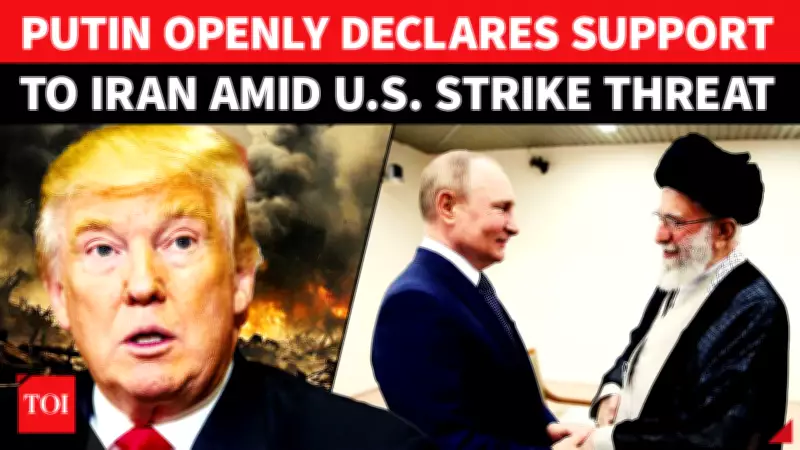
Russia's Energy Minister Visits Iran Amid U.S. Military Buildup, Bolstering Ties
In a significant diplomatic move, Russia has dispatched its Energy Minister Sergey Tsivilyov to Iran for high-level meetings, signaling strong support as tensions with the United States escalate. The visit, which took place on February 18, 2026, underscores Moscow's commitment to deepening its strategic partnership with Tehran despite Western pressures.
High-Level Discussions on Energy and Trade
During his time in Tehran, Minister Tsivilyov engaged in crucial talks with senior Iranian officials, including Ali Larijani and Oil Minister Mohsen Paknejad. The discussions primarily revolved around expanding cooperation in key sectors such as energy, trade, and transport infrastructure. Both sides emphasized that Western sanctions have failed to hinder their collaborative efforts, highlighting the resilience of their bilateral relationship.
Energy Minister Sergey Tsivilyov stated that the meetings aimed to enhance mutual economic benefits, with a focus on joint projects that could boost regional stability. The Iranian representatives echoed this sentiment, noting that the partnership is vital for countering external economic pressures.

Growing Defense Cooperation Amid Tensions
The visit coincides with visible signs of strengthening military ties between Russia and Iran. Earlier this month, Iran confirmed the arrival of a Russian Mi-28NE attack helicopter, a move that analysts interpret as a step towards enhanced defense coordination. This development occurs as nuclear diplomacy between Iran and the United States remains strained, with Moscow positioning itself as a key ally to Tehran.
Observers note that the timing of the helicopter delivery and the ministerial visit suggests a coordinated effort to bolster both economic and military alliances in response to U.S. military buildup in the region. The Mi-28NE, known for its advanced combat capabilities, could significantly boost Iran's defense posture.
Strategic Implications for Regional Dynamics
As Washington continues to exert pressure through sanctions and military presence, Russia and Iran are increasingly aligning their strategies. The discussions in Tehran reportedly covered:
- Joint energy projects to reduce reliance on Western markets.
- Trade agreements aimed at bypassing international sanctions.
- Transport corridors that could facilitate easier movement of goods and military equipment.
This partnership not only challenges U.S. influence in the Middle East but also reshapes regional power dynamics. With both nations facing similar geopolitical pressures, their collaboration is seen as a counterbalance to American dominance.
Broader Context of International Relations
The visit by Russia's energy minister is part of a broader pattern of Moscow's outreach to nations at odds with the United States. As nuclear talks falter, Iran has turned to Russia for support, leveraging their shared interests in opposing Western policies. This alignment could have far-reaching consequences for global security and economic stability.
In summary, Sergey Tsivilyov's trip to Iran marks a pivotal moment in Russia-Iran relations, emphasizing their unwavering partnership amid rising tensions with the United States. The focus on energy, trade, and defense cooperation highlights a multifaceted strategy to strengthen ties and assert their influence in the region.