

Hotels in Siliguri have declared a blanket ban on providing accommodation to all tourists from Bangladesh, a decision that now explicitly includes those arriving on medical visas. The announcement marks a significant escalation in local protests against Bangladesh.
Association Announces Total Ban
Ujjal Ghosh, the Joint Secretary of the Greater Siliguri Hoteliers Welfare Association, made the definitive statement on Thursday, December 25. He revealed that the association had initially decided last year not to host any Bangladeshi tourists due to the situation in the neighbouring country.
"Considering the situation in Bangladesh that started last year, we made a decision that we would not give accommodation to any Bangladeshi tourist in any hotel in Siliguri," Ghosh told the ANI news agency. While a temporary concession was later made for humanitarian reasons to allow those with medical or student visas, that exception has now been revoked.

"We have decided that from now on, we will not provide accommodation to anyone arriving on a medical visa either," Ghosh stated firmly. He linked the hardline stance to recent comments by Bangladeshi leaders concerning the Siliguri Corridor and the Seven Sisters of Northeast India. "Our country comes first; only then does our business come," he added.
Hotels and Transport Join Boycott
The boycott is gaining ground beyond the hoteliers' association. A hotel in the Junction area has publicly announced it will no longer allow Bangladeshi tourists on its premises. Posters reading 'Boycott Bangladesh' have been displayed at the hotel.
Dilip Mallick, the manager of this hotel, explained the decision. "Bangladeshis receive various facilities in India, yet incidents of violence against Bengalis and Hindus continue in Bangladesh. Such actions are unacceptable and therefore our hotel has decided not to accommodate Bangladeshi tourists," Mallick said.
The protest has spread to local transport services as well, with some vehicle drivers pasting similar boycott stickers on their cars and refusing to offer rides to Bangladeshi citizens.
Local Traders Demand Complete Severance
The sentiment is echoed by local traders, who are calling for even more drastic measures. Sujan Das, a trader from the Junction area, demanded a halt to all bilateral activities. "We want all import and export activities between India and Bangladesh to be stopped," he said.
Das advocated for a comprehensive boycott, stating, "Services such as transport, hotels, sale of goods and even medical facilities should no longer be extended to Bangladeshi nationals. We demand a complete boycott of Bangladesh."
Trigger: Murder of Hindu Worker in Bangladesh
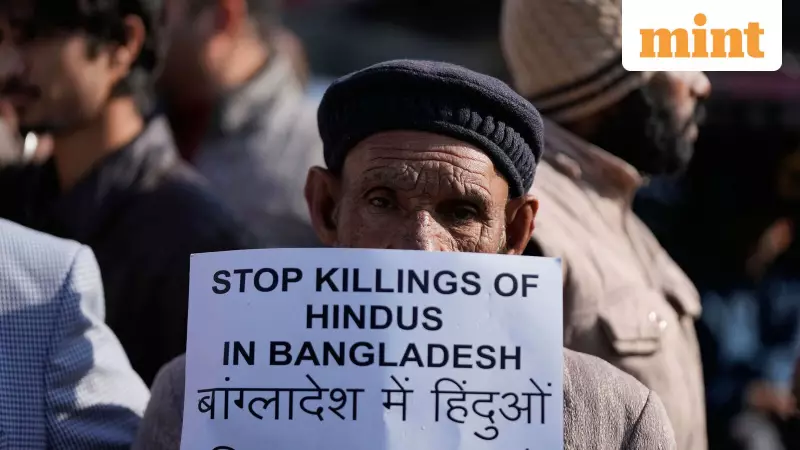
This development follows growing anger across India over reports of atrocities against Hindus in Bangladesh. The immediate trigger appears to be the brutal killing of Hindu worker Dipu Chandra Das in Mymensingh on December 18.
The 27-year-old was allegedly murdered over claims of blasphemy, with reports stating his body was hanged and set ablaze. The incident sparked widespread condemnation and protests in India. In response to the ensuing tensions, Bangladesh suspended consular and visa services in New Delhi and Agartala citing security concerns.
Earlier, India had summoned the Bangladesh High Commissioner for the second time in a week, reflecting the strain in ties. Bangladesh authorities have since stated that there was no evidence Das committed blasphemy. Bangladesh's Education Adviser, CR Abrar, visited Das's family on behalf of the Interim Government to express sympathy and offer support.
Broader Diplomatic Fallout
The hoteliers' boycott in Siliguri is a grassroots manifestation of the diplomatic friction between the two nations. It underscores how local incidents and inflammatory statements can directly impact people-to-people contact and economic exchanges, particularly in border regions like West Bengal.
The situation remains tense, with the business community in Siliguri taking a firm political stand, prioritizing national sentiment over commercial interests for the foreseeable future.






