

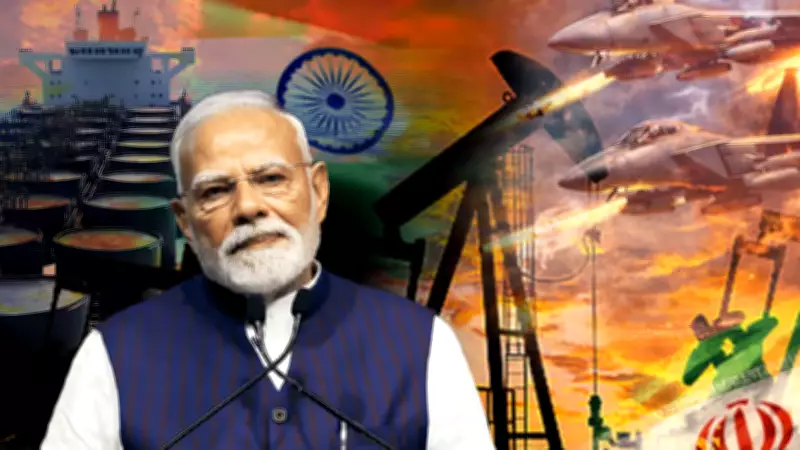
Strait of Hormuz Crisis: India's Energy Security Faces Severe Threat from Iran Conflict
The escalating tensions between the United States and Iran have placed the Strait of Hormuz at the center of global energy security concerns, with India facing particularly severe consequences. This narrow 33-kilometre maritime passage, connecting the Persian Gulf to the Arabian Sea, has become the most critical flashpoint in the ongoing Iran conflict for New Delhi.
Why the Strait of Hormuz Matters for India
Iranian naval forces have recently issued explicit warnings to commercial vessels, threatening to effectively shut down the world's most vital oil transportation corridor. For India, this is not a distant geopolitical issue but an immediate economic threat. Nearly 50% of India's crude oil imports and approximately 60% of its natural gas supplies transit through this single chokepoint, making the country exceptionally vulnerable to any disruption.
Immediate Economic Consequences
The economic fallout from a prolonged closure of the Strait of Hormuz would be swift and severe for India:

- Rising fuel prices that would impact transportation, manufacturing, and daily life
- A weaker Indian rupee as energy import costs skyrocket
- Significant inflationary pressure on ordinary households across the country
- Disruption to industrial production and economic growth momentum
While the Strait of Hormuz measures 33 kilometres in width, India's strategic options for securing its energy supplies may be even more constrained. The country faces difficult choices between diplomatic engagement, military preparedness, and economic diversification to mitigate this vulnerability.
Broader Geopolitical Context
This crisis emerges against a backdrop of complex international relations, including India's energy trade with Russia and its positioning between major global powers. The situation underscores the delicate balance India must maintain between its energy security needs and its diplomatic relationships in an increasingly volatile global landscape.
The potential closure of the Strait of Hormuz represents what energy analysts describe as India's worst-case scenario—a direct threat to the fundamental resources that power the world's fastest-growing major economy and sustain the livelihoods of 1.4 billion people.






