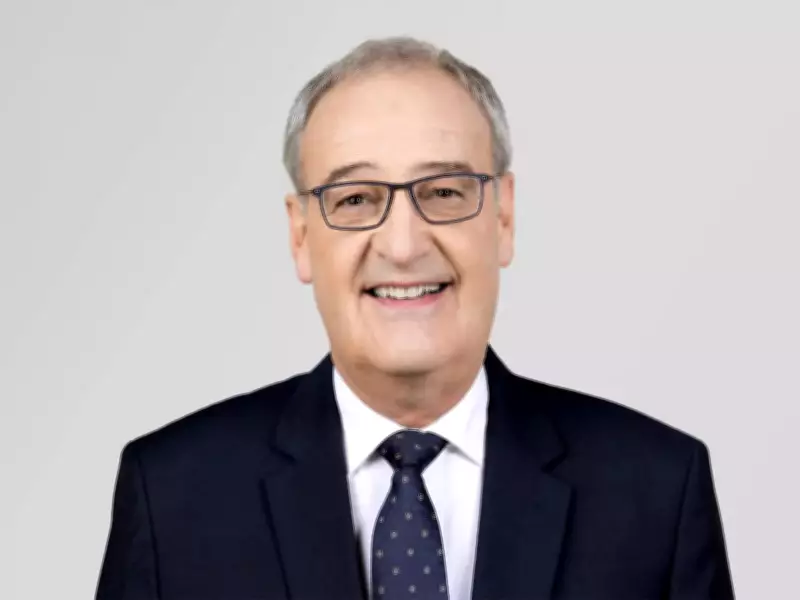
Swiss President Advocates for Comprehensive AI Governance Framework
In a recent interview with TOI's Sidhartha, Swiss President Guy Parmelin articulated a nuanced approach to artificial intelligence regulation, emphasizing that AI cannot be governed by a single instrument. Drawing a historical parallel, Parmelin noted that over the past two centuries, humanity has developed thousands of legal, technical, and societal norms to regulate engines in various machines and vehicles, with harmonization levels tailored to specific contexts.
Building a Multi-Layered Governance Structure
Parmelin stressed that similar to engines, AI requires a governance framework comprising multiple instruments to address different aspects of its development and use. Switzerland is actively contributing to this effort by participating in the creation of technical standards and both binding and non-binding legal instruments. Key initiatives include the recommendations from UNESCO, the Global Partnership on AI, and the Council of Europe's framework convention on AI, which represents the first binding international treaty on the subject, developed collaboratively by 55 countries worldwide.
Beyond legal measures, Parmelin highlighted the necessity of societal and cultural norms to guide AI usage in specific contexts, ensuring ethical and responsible implementation.

OSCE Chairmanship and Ukraine Peace Efforts
With Switzerland chairing the Organization for Security and Co-operation in Europe (OSCE) for the third time this year, Parmelin discussed efforts to address the Russia-Ukraine conflict. Under the priority of 'Helsinki Principles - for lasting peace,' Switzerland is committed to fostering a just peace in Ukraine. In his capacity as OSCE chairman-in-office, Federal Councillor Ignazio Cassis visited Kyiv on February 2 and Moscow on February 5-6, accompanied by the OSCE secretary general, to offer dialogue and outline the OSCE's potential contributions to a negotiated settlement.
Parmelin acknowledged that ultimately, it is up to the involved states to decide whether to utilize these diplomatic avenues. He also recognized India's efforts to engage both sides for a ceasefire and a return to dialogue, underscoring the importance of multilateral engagement in conflict resolution.
Trade Policy Challenges and Multilateralism
The past year has been turbulent for global trade, prompting questions about the role of agreements like the Trade and Economic Partnership Agreement with India. Parmelin described such Free Trade Agreements (FTAs) as crucial tools, especially in challenging times, as they enable the Swiss export industry to access new markets and diversify its economic base.
Addressing concerns over unilateral tariff actions and the undermining of the World Trade Organization's (WTO) authority, Parmelin noted that the WTO has long faced severe stress. Despite institutional paralysis, approximately 74% of global trade still occurs on Most-Favored-Nation (MFN) terms. He emphasized that the WTO remains the sole institution monitoring members' trade measures and providing a forum for dialogue among 166 economies.
Switzerland will continue to champion multilateralism and support reforms within the WTO to preserve a rules-based trade system, advocating for stability and cooperation in the face of growing bilateral trade agreements.