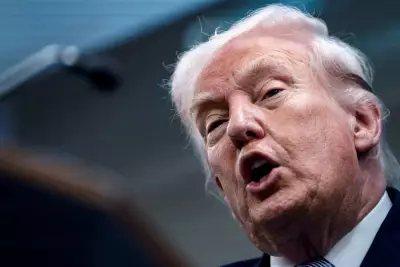
In a historic diplomatic development, Syrian President Ahmed al-Sharaa has arrived in Washington for meetings with US leadership, marking the first visit by a Syrian head of state to the White House since 1946. This significant diplomatic engagement comes as his interim administration in Damascus continues to navigate complex domestic challenges, particularly regarding the integration of Kurdish communities into Syria's political framework.
Breakthrough in Kurdish-Damascus Negotiations
In an exclusive interview with Rudroneel Ghosh, Elham Amad, co-chair of the Department of Foreign Relations of the Democratic Autonomous Administration of North and East Syria (DAANES), confirmed substantial progress in talks between Kurdish representatives and the Syrian government. The first concrete step toward implementing the memorandum of understanding signed on March 10 has been achieved through an agreement to integrate the Syrian Democratic Forces (SDF) and the Asayish internal security forces into Syria's ministry of interior.
"What remains now is to implement this agreement," Amad stated, emphasizing that further discussions are required. The negotiations will now focus on critical constitutional amendments concerning Kurdish rights, the rights of other national groups, and women's rights. Separate meetings will address these fundamental issues alongside continued discussions about establishing a decentralized governance structure for Syria.

Electoral Exclusion and Path to Political Integration
The recent elections in Syria have drawn significant criticism for excluding Kurdish regions and failing to achieve genuine representation. Amad characterized the electoral process as "one-sided" and lacking legitimacy, noting that both voters and candidates were determined by a committee rather than through democratic participation.
"The regions of North and East Syria, as well as the Suwayda region, did not participate in the election," Amad explained. "Representatives from these regions did not participate. The desired level of participation from different groups in society was not achieved. Women were also not included."
However, Amad expressed optimism about future political integration, stating that if an agreement is reached between North and East Syria and Damascus regarding representation and constitutional changes, Kurdish participation in parliament would become feasible.
Regional Dynamics and Geopolitical Challenges
The interview also addressed the complex regional landscape, including the recent Gaza ceasefire and Turkey's influential role in Syrian affairs. While viewing the Gaza ceasefire positively for its potential to contribute to Syrian stability, Amad expressed concerns about Turkey's interventions creating obstacles in the dialogue with Damascus.
"The Turkish foreign minister frequently issues warnings to the Damascus authorities, telling them not to accept the proposals," Amad revealed. "Such provocative statements inflame the situation and increase contradictions. This does not help to find a solution."
Regarding President al-Sharaa's recent visit to Moscow preceding his Washington trip, Amad acknowledged the challenging circumstances facing the Damascus government, including economic difficulties, security concerns, and the burden of resolving issues related to Russian military presence and debt.
Kurdish political parties recently reached a general agreement during a conference in Syria, establishing a unified stance for negotiations with Damascus. Amad emphasized the importance of Kurdish public support in pressuring Damascus to address their legitimate demands for rights and representation within Syria's political structure.