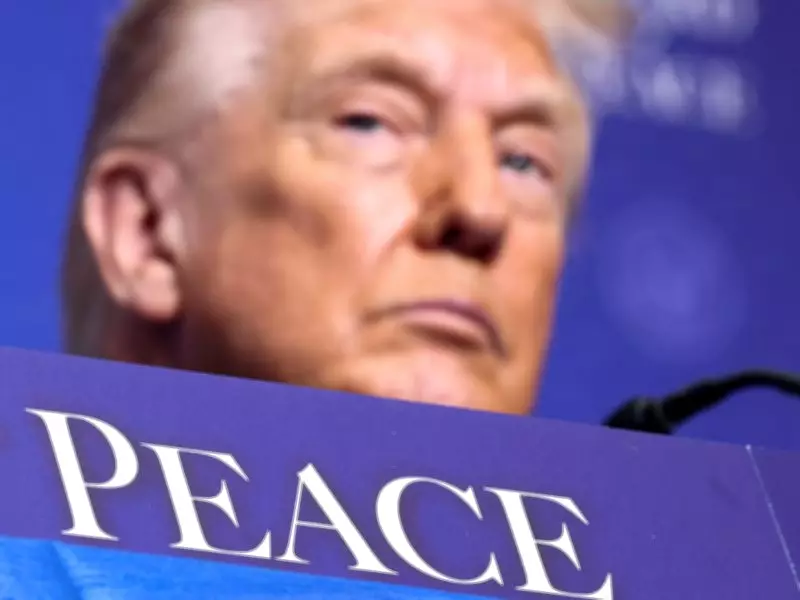
Trump Revises Narrative on India-Pakistan Air Skirmish
In a recent statement that has stirred international attention, former United States President Donald Trump has put forward a new claim regarding the 2019 military confrontation between India and Pakistan. According to Trump, a total of 11 "expensive jets" were shot down during the conflict, a figure that significantly deviates from the officially acknowledged events and has raised eyebrows among defense analysts and diplomatic circles.
Details of the Controversial Assertion
Trump made these remarks during a public appearance, where he referenced the tensions that escalated in February 2019 following a terrorist attack in Pulwama, Kashmir. He asserted that the aerial engagement, which primarily involved the downing of an Indian Air Force MiG-21 and the loss of a Pakistani drone, was far more extensive. Trump emphasized the high cost of the aircraft involved, suggesting substantial material losses on both sides, though he did not specify which nations' jets were affected or provide verifiable evidence to support his numbers.
Official Records and Historical Context
Official accounts from India and Pakistan, as well as international observers, document a limited exchange. On February 27, 2019, Indian fighter jets crossed the Line of Control to target terrorist camps in Balakot, Pakistan. In response, Pakistani aircraft attempted strikes in Jammu and Kashmir, leading to a dogfight. During this engagement, India confirmed the loss of one MiG-21 Bison, whose pilot was captured and later returned, while Pakistan admitted to losing an F-16 fighter jet, a claim India has contested. The widely accepted tally is one Indian jet confirmed downed and one Pakistani jet disputed, far short of Trump's claim of 11 aircraft.

Analysis of Trump's Motivations and Impact
Experts speculate that Trump's statement may be aimed at bolstering his image as a dealmaker or highlighting regional instability during his presidency. This claim adds to a pattern of controversial remarks by Trump on international affairs, which often lack corroboration from official sources. The assertion has potential implications for India-Pakistan relations, as it could fuel misinformation and complicate ongoing diplomatic efforts to de-escalate tensions in the region.
Reactions from India and Pakistan
Both Indian and Pakistani officials have not formally responded to Trump's latest claim, but defense analysts in both countries have dismissed it as inaccurate. Indian sources reiterate their stance on the events of 2019, emphasizing the success of the Balakot airstrike and the capture of the Pakistani F-16 debris as evidence. Pakistani commentators, on the other hand, maintain their narrative of defending sovereignty and downplaying losses. The discrepancy highlights the challenges in verifying conflict details in a politically charged environment.
Broader Implications for Regional Security
Trump's claim underscores the fragility of South Asian security dynamics and the role of external narratives in shaping perceptions. It may influence public opinion and policy discussions in the US and beyond, regarding military aid and diplomatic engagement with India and Pakistan. As both nations continue to navigate border disputes and terrorism concerns, accurate reporting and transparent communication remain crucial to preventing escalation and fostering peace in the region.