

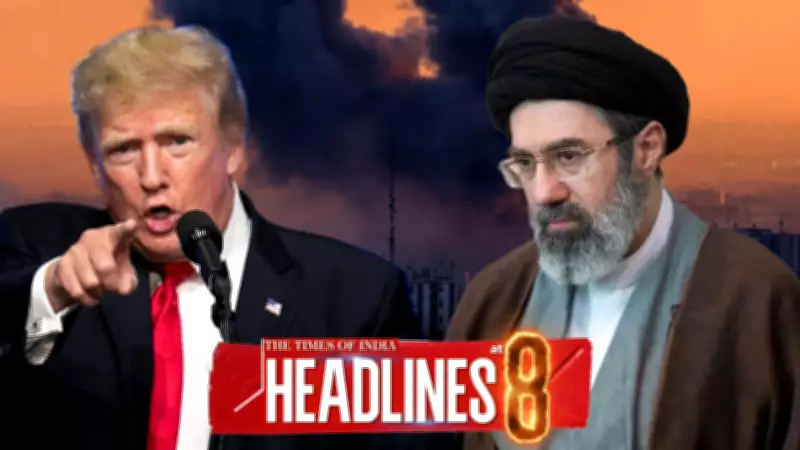
US-Iran Tensions: Trump Delays Strikes, Iran Calls Threats 'Bluff' Amid Troop Dissent
In a significant development in the ongoing US-Iran conflict, President Donald Trump has announced a five-day delay in planned strikes on Iran's power grid, citing what he described as "productive talks." This move comes amid escalating rhetoric and military posturing, raising questions about whether this signals a genuine de-escalation or a strategic pause in the volatile situation.
Iran's Response: Dismissing Threats as a 'Bluff'
Iran has swiftly rejected Trump's claims of productive dialogue, with officials in Tehran mocking the US threat as a "bluff born out of fear." Iranian authorities have asserted that the delay in strikes is not a sign of diplomatic progress but rather an indication of Washington's hesitation and lack of resolve. This sharp rebuttal underscores the deep-seated mistrust between the two nations, complicating efforts to reduce hostilities.
Iranian spokespersons have emphasized that their country remains prepared to defend its infrastructure and sovereignty against any aggression, dismissing the US ultimatum as empty posturing. The public dismissal by Iran adds a layer of psychological warfare to the conflict, as both sides engage in a battle of narratives to sway international opinion and domestic morale.

Cracks in US Ranks: Troop Dissent and Morale Concerns
Simultaneously, reports have surfaced revealing growing dissent within US military ranks. Some troops have expressed reluctance to engage in conflict with Iran, with voices emerging refusing to "die for Israel," highlighting geopolitical complexities and personal convictions among service members. This internal discord raises serious questions about troop morale and unity as the conflict deepens, potentially impacting operational effectiveness and strategic decisions.
Military analysts note that such dissent, if widespread, could undermine command structures and complicate deployment plans, adding an unpredictable element to US military strategy in the region. The emergence of these reports suggests that the human cost and ethical considerations of the conflict are weighing heavily on those directly involved, beyond the political rhetoric.
Pakistan's Nuclear Rhetoric: A Dangerous Escalation
In a chilling escalation of regional tensions, Pakistan's former envoy Abdul Basit has sparked outrage by openly suggesting nuclear strikes on Indian cities Delhi and Mumbai if the US targets Pakistan. This statement turns aggressive rhetoric into a dangerous flashpoint, linking the US-Iran conflict to broader South Asian nuclear dynamics and raising the stakes for global security.
Basit's comments have drawn condemnation from international observers, who warn that such nuclear brinkmanship could trigger unintended consequences and destabilize an already volatile region. The intertwining of US actions in the Middle East with Pakistan-India relations adds a complex layer to the crisis, highlighting how localized conflicts can have far-reaching implications.
Analysis: De-Escalation or Strategic Disguise?
As Trump hits pause on military strikes, the situation remains fraught with uncertainty. Is this delay a genuine step toward de-escalation, or a strategic maneuver to regroup and reassess tactics? The mixed signals—from Trump's claims of talks to Iran's dismissal and internal US dissent—suggest a conflict in flux, where diplomatic overtures are met with skepticism and military preparations continue unabated.
Experts caution that without verifiable diplomatic breakthroughs, the pause may only be temporary, with the potential for renewed hostilities if negotiations stall or fail. The involvement of other actors, like Pakistan's nuclear rhetoric, further complicates the landscape, indicating that the US-Iran standoff is part of a larger web of geopolitical tensions.
In summary, the US delay in strikes on Iran's power grid has opened a window for potential de-escalation, but Iran's defiant response, troop dissent within the US, and Pakistan's nuclear threats create a precarious environment. The coming days will be critical in determining whether this pause leads to lasting peace or merely postpones a broader confrontation.






