

Trump Fuels Speculation on Pakistan Hosting US-Iran Talks Amid Middle East Conflict
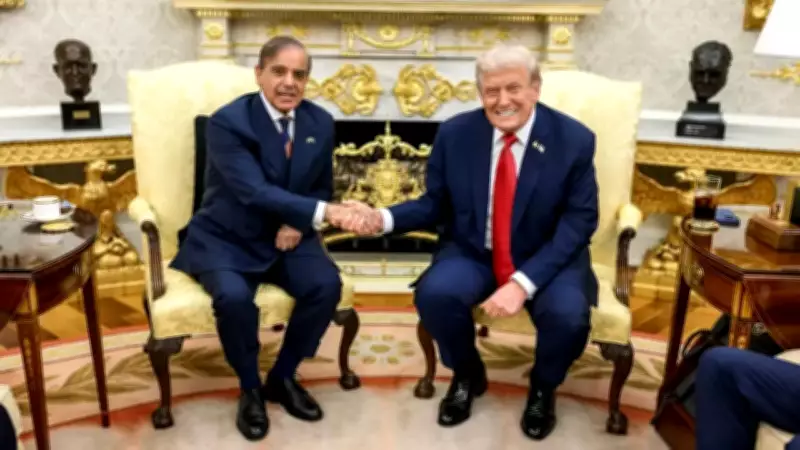
In a move that has ignited fresh diplomatic speculation, former US President Donald Trump on Tuesday amplified discussions about Pakistan potentially mediating between Washington and Tehran. Trump shared a post on his Truth Social account from Pakistan Prime Minister Shehbaz Sharif, who expressed Islamabad's readiness to host talks aimed at ending the ongoing conflict in the Middle East.
Pakistan's Offer to Facilitate Dialogue
In his post on X, Prime Minister Shehbaz Sharif stated that Pakistan was "ready and honoured" to facilitate "meaningful and conclusive talks" between the United States and Iran, provided both parties agree. Sharif emphasized Pakistan's support for dialogue to achieve peace and stability in the region and beyond.
"Subject to concurrence by the US and Iran, Pakistan stands ready and honoured to be the host to facilitate meaningful and conclusive talks for a comprehensive settlement of the ongoing conflict," Sharif added in his statement.

Growing Diplomatic Buzz and Media Reports
Trump's sharing of the post without any additional comment has sparked renewed speculation about possible backchannel diplomacy involving Islamabad. This development aligns with multiple media reports suggesting that Pakistan, along with Egypt and Turkiye, has been engaged in quiet efforts to broker peace in the Middle East.
International outlets report that Islamabad is being considered as a potential neutral venue for talks, with contacts already underway between the concerned parties. A senior Israeli official was quoted as saying that "contacts are underway" to organize a meeting involving senior representatives from both sides.
According to these reports:
- Prime Minister Sharif has held multiple conversations with Iranian President Masoud Pezeshkian.
- Pakistan's Army Chief General Asim Munir has also been in touch with Trump.
- Pakistan has been acting as a conduit, passing messages between the US and Iran.
White House Urges Caution Amid Fluid Situation
Despite the growing diplomatic buzz, the White House has urged caution, stating that no meeting has been formally confirmed. US press secretary Karoline Leavitt described the situation as "sensitive" and "fluid," warning against treating media reports as final.
"These are sensitive diplomatic discussions, and the US will not negotiate through the press. This is a fluid situation, and speculation about meetings should not be deemed as final until they are formally announced by the White House," Leavitt emphasized.
There has been no official confirmation regarding reports that senior US officials, including Vice President JD Vance and envoy Steve Witkoff, could meet Iranian representatives in Islamabad.
Indirect Communication Channels and Demands
CNN reported that Washington has conveyed a list of 15 demands to Tehran through Pakistani intermediaries. The report also indicated that officials, including Pakistan's intelligence leadership, have been in contact with US envoy Steve Witkoff and Jared Kushner.
This diplomatic push follows Trump's recent announcement that the US would pause planned strikes on Iran's energy infrastructure for five days after what he described as "very good and productive conversations" with Tehran. Trump has claimed that the US is in touch with a "top person" in Iran, though he has not disclosed the identity.
Tehran, however, has maintained that it is not engaged in direct negotiations with Washington since the conflict began, adding another layer of complexity to the situation.
Regional Context and Broader Implications
The speculation about Pakistan's potential mediating role comes amid broader regional developments:

- Saudi Arabia has granted US base access, while the UAE has shut Iranian assets.
- Oil prices have tumbled amid the diplomatic maneuvering.
- Gulf allies appear to be edging toward conflict involvement.
As the situation remains fluid, the international community watches closely to see if Islamabad will indeed become the neutral ground for what could be crucial talks between two longstanding adversaries. The outcome could significantly impact not only Middle East stability but also global geopolitical dynamics and energy markets.





