

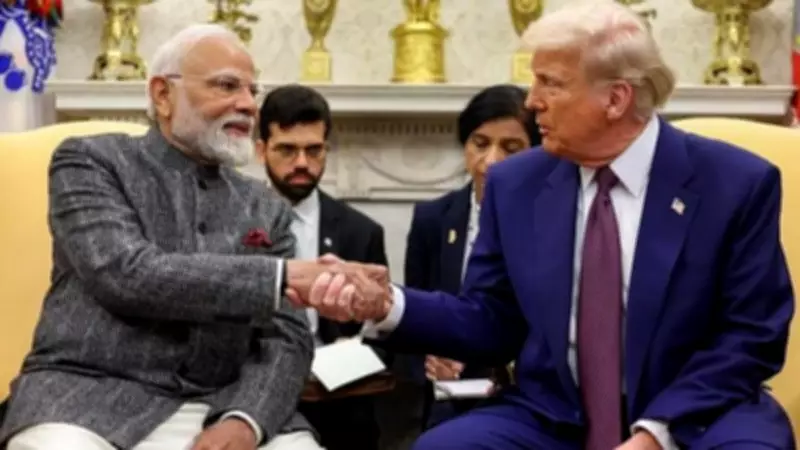
Trump Revokes India Tariffs Following Modi Government's Russian Oil Pledge
In a significant development for international trade and diplomacy, former United States President Donald Trump has officially lifted punitive tariffs imposed on Indian exports to the US. This decisive action came after the administration of Prime Minister Narendra Modi provided a firm commitment to halt all imports of crude oil from Russia.
Executive Order Ends Tariff Dispute
Late on Friday, February 7, 2026, President Trump issued an executive order from Washington, D.C., formally withdrawing the 25 per cent punitive tariff that had been levied on India's exports to the United States. This tariff was originally imposed in August 2025 as a strategic measure designed to pressure the Indian government into altering its energy procurement policies, specifically regarding Russian oil.
The removal of these tariffs marks a pivotal resolution to a months-long trade dispute that had strained economic relations between the two democratic nations. The executive order underscores the Trump administration's assertive use of trade policy as a tool for achieving broader geopolitical objectives, particularly in response to global conflicts.

India's Commitment to End Russian Oil Imports
Central to this agreement is the pledge from Prime Minister Narendra Modi's government in New Delhi to completely cease importing crude oil from Russia. This commitment represents a substantial shift in India's energy strategy, which had previously relied on Russian oil as a cost-effective source amid fluctuating global markets.
By agreeing to end these imports, India aligns more closely with Western sanctions and diplomatic efforts aimed at isolating Russia economically. This move is expected to have significant implications for India's energy security and its trade relationships with other oil-producing nations, potentially leading to increased imports from alternative sources such as the Middle East, the United States, or other allies.
Background and Implications
The initial imposition of tariffs in August 2025 was a direct response to India's continued purchases of Russian oil, which the Trump administration viewed as undermining international efforts to penalize Russia for its actions in global conflicts. The 25 per cent tariff targeted a range of Indian exports, creating economic pressure on key industries and prompting urgent diplomatic negotiations.
Key outcomes of this resolution include:
- Trade Relief: Indian exporters will benefit from the removal of tariffs, potentially boosting bilateral trade volumes and reducing costs for American consumers.
- Diplomatic Alignment: India's pledge strengthens its strategic partnership with the United States, enhancing cooperation on security and economic issues.
- Energy Market Shifts: The cessation of Russian oil imports may lead to realignments in global energy markets, affecting prices and supply chains.
- Geopolitical Impact: This agreement could influence other nations' policies regarding Russian trade, setting a precedent for using economic measures to achieve diplomatic goals.
As of the latest update on February 7, 2026, at 17:16 IST, this development is being closely monitored by analysts and policymakers worldwide. The successful negotiation highlights the complex interplay between trade, energy, and international relations in an increasingly interconnected global economy.






