

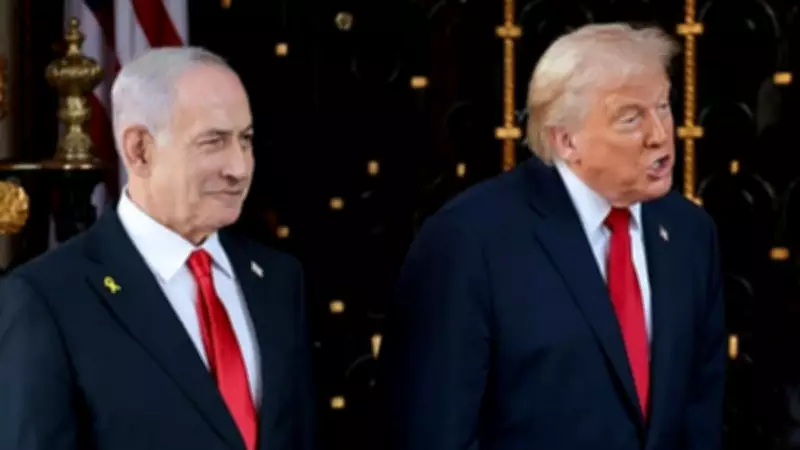
Trump and Netanyahu Forge Agreement to Curb Iran's Oil Exports to China
In a significant development in international diplomacy, former United States President Donald Trump and Israeli Prime Minister Benjamin Netanyahu have reached a consensus to intensify pressure on Iran, with a particular focus on disrupting its oil sales to China. This agreement was reported by Axios on Saturday, citing a senior U.S. official who disclosed the details of their discussions.
Maximum Pressure Strategy Against Iran
The senior U.S. official stated, "We agreed that we will go full force with maximum pressure against Iran, for example, regarding Iranian oil sales to China." This statement underscores a coordinated effort between the two leaders to leverage economic sanctions and diplomatic measures to limit Iran's ability to export oil, which is a critical source of revenue for the country. The move aims to weaken Iran's economic stability and curb its influence in the region.
This agreement comes amid ongoing tensions in the Middle East, where Iran's nuclear program and regional activities have been a point of contention for both the United States and Israel. By targeting oil sales to China, Trump and Netanyahu are aiming to cut off a major financial lifeline for Iran, potentially impacting its capacity to fund proxy groups and military operations.

Implications for Global Oil Markets and Diplomacy
The decision to press Iran on its oil exports to China could have far-reaching consequences:
- Economic Impact on Iran: Reducing oil sales would significantly affect Iran's economy, which relies heavily on petroleum exports.
- Strain on China-Iran Relations: This move may create friction between China and the U.S., as China is one of the largest importers of Iranian oil.
- Regional Stability: Increased pressure on Iran could escalate tensions in the Middle East, affecting global security and oil prices.
Reuters has confirmed the report, noting that this development was announced on 15 February 2026, highlighting its timeliness in current geopolitical affairs. The agreement reflects a continued hardline approach towards Iran, reminiscent of policies during Trump's presidency, and aligns with Netanyahu's longstanding stance on countering Iranian influence.
As this story unfolds, it will be crucial to monitor how China responds to potential pressure on its oil imports from Iran, and whether other nations join in this effort. The collaboration between Trump and Netanyahu signals a robust alliance aimed at reshaping energy dynamics and diplomatic relations in the region.






