Trump Issues Stern Warning to Israel Over Lebanon Bombings
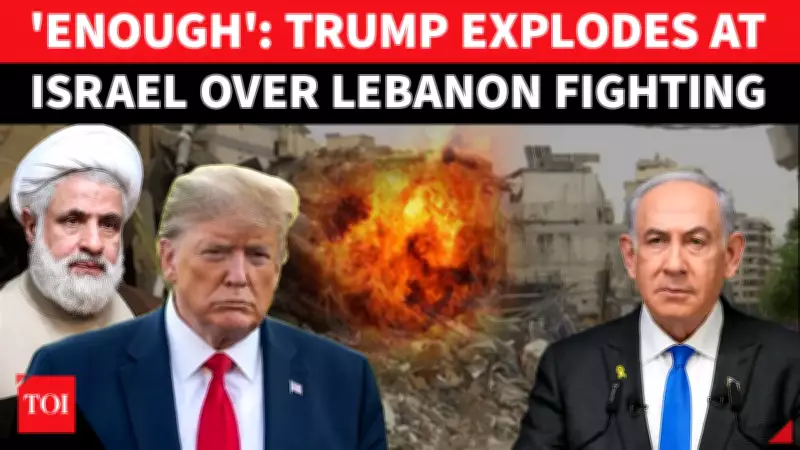
In a dramatic shift in U.S. foreign policy, President Donald Trump on Friday issued a strongly worded directive to Israeli Prime Minister Benjamin Netanyahu, demanding an immediate cessation of bombings in Lebanon. The public rebuke, delivered via social media, declared that Israel is "prohibited" from continuing its military operations, marking a significant escalation in rhetoric from the American administration.
Netanyahu Defies Presidential Directive
Despite Trump's explicit order, Israeli forces reportedly continued their operations in southern Lebanon, including conducting a drone strike. This defiance raises serious questions about the current state of U.S.-Israel relations and Netanyahu's willingness to comply with Washington's directives during this volatile period.
Fragile Ceasefire Under Threat
The presidential intervention comes as a fragile 10-day ceasefire begins between Israel and Hezbollah forces. This temporary pause in hostilities was intended to create space for diplomatic negotiations, but continued military actions threaten to undermine these delicate peace efforts before they can gain meaningful traction.

The timing of Trump's public directive suggests growing American concern about regional stability and potential escalation of the conflict. By taking such an unprecedented public stance against a traditional ally, the U.S. president has signaled a potential recalibration of Washington's Middle East policy approach.
Regional Implications and Questions
This development raises numerous questions about:
- The future of U.S.-Israel strategic coordination
- Netanyahu's political calculations in defying American pressure
- The sustainability of the current ceasefire agreement
- Potential shifts in regional power dynamics
Observers note that such public friction between Washington and Jerusalem is unusual, particularly during active military engagements. The situation continues to evolve as both sides navigate this diplomatic challenge while managing ongoing security concerns in the region.