

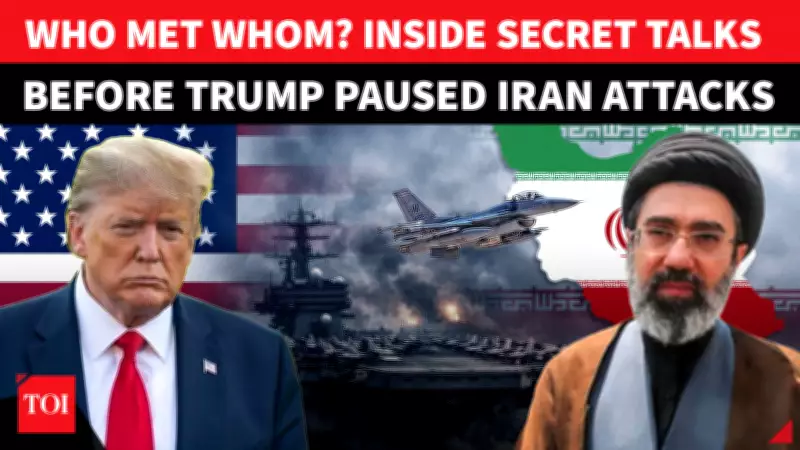
Trump Orders Pause on Iranian Strikes, Signals Potential Deal Within Days
In a significant development, former US President Donald Trump has directed a temporary cessation of military strikes targeting Iranian power plants and critical energy infrastructure. Trump expressed a strong desire for a negotiated settlement, stating he wants a deal "badly" and suggesting an agreement could be finalized within the next five days. This announcement marks a notable shift in the ongoing tensions between the two nations.
Confirmation of Backchannel Talks Amidst Denials
Trump confirmed that diplomatic discussions took place as recently as Sunday night, with key figures Jared Kushner and Steve Witkoff leading the negotiations. According to his account, Turkey, Egypt, and Pakistan facilitated message exchanges between the US and Iranian sides, acting as intermediaries in these delicate communications.
However, Tehran has vehemently contested this narrative. Iranian state media issued immediate denials, asserting that no negotiations occurred at all. The Iranian foreign ministry offered an alternative explanation, claiming Trump's decision to pull back strikes was motivated by concerns over potential energy price spikes rather than any diplomatic breakthrough.

Market Reactions and Persistent Diplomatic Gaps
Despite the conflicting accounts, financial markets responded swiftly to the developments. Futures rallied, oil prices declined, and the dollar experienced a drop, reflecting investor optimism about reduced geopolitical tensions. Yet, substantial obstacles remain in achieving any meaningful agreement.
The core issues dividing the two nations—including control of the Strait of Hormuz, Iran's enriched uranium program, ballistic missile development, and regional proxy activities—remain largely unresolved. Iran has publicly and repeatedly rejected every proposed condition from the US side, creating what appears to be an insurmountable diplomatic gap.
Military Context and Strategic Implications
Adding complexity to the situation, America's most capable strike platform, the USS Gerald R. Ford aircraft carrier, remains stationed in Crete with fire damage, potentially limiting immediate military options. This development occurs alongside Trump's imposition of a deadline for progress, creating a tense countdown scenario where fundamental disagreements persist.
The contradictory narratives from Washington and Tehran highlight the fragile nature of US-Iran relations and the challenges in verifying diplomatic claims during periods of heightened tension. As markets adjust to the possibility of reduced conflict, the substantive differences between the two nations suggest any breakthrough would require significant concessions from both sides.






