

Trump and Xi's 'Excellent' Phone Call Highlights Diplomatic Priorities
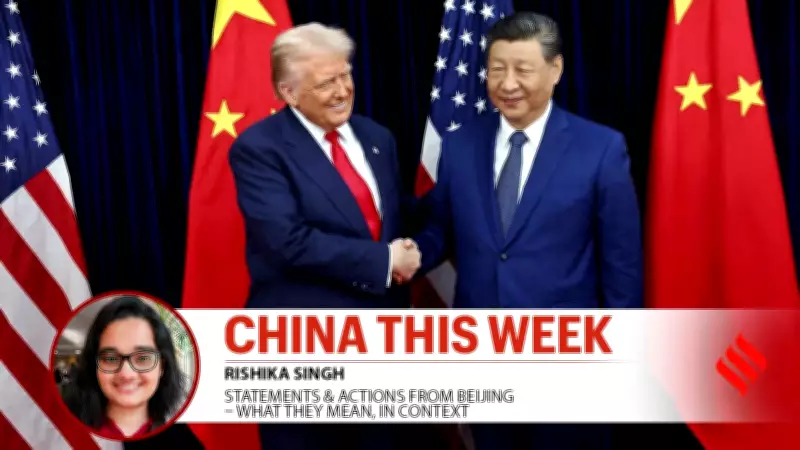
In a recent development, former US President Donald Trump described a phone conversation with Chinese President Xi Jinping as "excellent," shedding light on the evolving dynamics between the two global powers. The call, detailed in a Truth Social post, covered a range of critical topics including trade, military cooperation, and geopolitical issues.
Key Discussion Points from the Trump-Xi Dialogue
Trump emphasized that the discussions included trade agreements, with China committing to purchase oil and agricultural products like soybeans from the United States. He also mentioned plans for an April visit to China, expressing enthusiasm for the trip. Notably, the conversation touched on sensitive matters such as Taiwan, the Ukraine-Russia conflict, and Iran, reflecting the broad scope of US-China relations.
Taiwan emerged as a focal point, with Xi Jinping reportedly stressing that the "Taiwan question" is the most important issue in bilateral ties. The Chinese readout reiterated that Taiwan is an inalienable part of China's territory, warning the US to handle arms sales to the island with caution. Trump, in response, acknowledged understanding China's stance on Taiwan, though he has previously downplayed the likelihood of an invasion during his tenure.

This exchange underscores the differing priorities: for China, Taiwan remains a core sovereignty issue, while the US under Trump has focused on economic gains and strategic alliances. The mention of Taiwan in this call, absent in previous meetings, highlights shifting diplomatic emphases.
US Allegations of Secret Chinese Nuclear Tests
In a separate but related development, US officials have accused China of conducting a secret nuclear test on June 22, 2020. This claim, made at an arms control conference in Geneva, alleges that China violated its moratorium on nuclear tests, last officially conducted in 1996.
Details of the Allegations and Chinese Response
Thomas DiNanno, US Under Secretary of State for Arms Control, stated that China used methods like "decoupling" to conceal the explosions from seismic monitoring. He further claimed that Russia is assisting China in developing weapons-grade fissile material, escalating concerns about nuclear proliferation.
China has firmly denied these allegations, with Ambassador Shen Jian labeling them as "false narratives" and accusing the US of aggravating the arms race. The timing of these claims is significant, coinciding with the expiration of the New START treaty between the US and Russia, which has prompted calls for new arms control agreements that include China.
US Secretary of State Marco Rubio highlighted China's rapid nuclear expansion, noting its stockpile has grown from over 200 to more than 600 warheads since 2020, with projections to exceed 1,000 by 2030. This buildup challenges existing bilateral arms control models and raises global security concerns.
Broader Geopolitical Context: UK and Canada Visits to China
This week also saw diplomatic engagements from other nations, with UK Prime Minister Keir Starmer visiting China for the first time in eight years, followed by Canadian Prime Minister Mark Carney's trip to Beijing. These visits indicate a thaw in relations and a renewed focus on engaging with China amid global tensions.
Implications for International Relations
- The Trump-Xi call reflects ongoing efforts to balance economic cooperation with strategic disputes, particularly over Taiwan.
- US claims of secret nuclear tests add a layer of mistrust, complicating arms control negotiations and regional stability.
- Visits by UK and Canadian leaders suggest a diplomatic recalibration, as countries seek to navigate China's growing influence.
As these events unfold, they highlight the complex interplay of diplomacy, security, and economic interests shaping US-China relations and global politics. The outcomes of these interactions will likely influence future policy directions and international alliances.






