Trump's Naval Blockade Emerges as a Pivotal Strategy in US-Iran Standoff
In a significant geopolitical development, the United States has announced a naval blockade of Iranian ports, a move that comes just four days after the first round of peace talks between Iran and the US came to a halt without reaching any agreement. This blockade has been maintained even after Iran, albeit briefly, declared an end to its own blockade of the strategically vital Strait of Hormuz. Now, President Trump has extended the ceasefire between the two nations, but he is notably not lifting the American naval blockade. This decision strongly suggests that Washington's intent is to use the blockade of Iranian ports as a central instrument to reshape the terms of dialogue and exert pressure in the ongoing negotiations.
The Timing and Context of the Blockade
The imposition of the naval blockade follows closely on the heels of the stalled peace talks, which failed to yield any concrete agreements. This timing is not coincidental; it appears to be a calculated move by the Trump administration to leverage military presence as a bargaining chip. By maintaining the blockade despite Iran's temporary cessation of its blockade in the Strait of Hormuz, the US is sending a clear message about its commitment to using all available tools to influence the diplomatic process. The Strait of Hormuz, a critical chokepoint for global oil shipments, has been a flashpoint in US-Iran relations, and this blockade adds another layer of complexity to the already tense situation.
Strategic Implications for US Foreign Policy
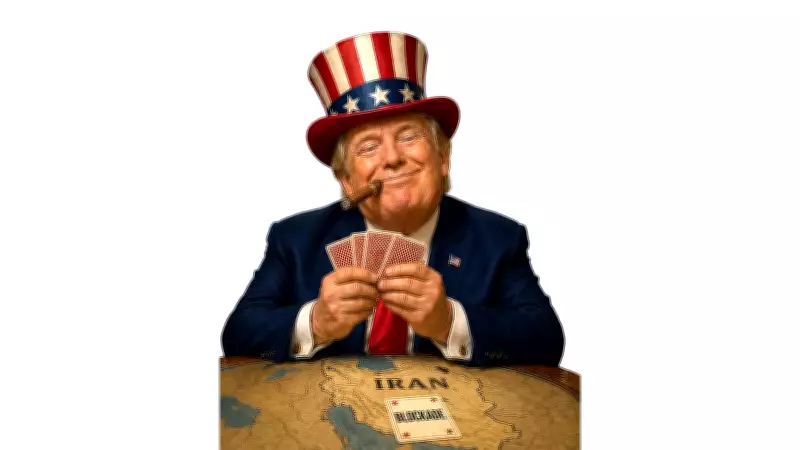
This blockade represents more than just a military maneuver; it is a strategic card being played by Trump to assert dominance and control over the terms of engagement with Iran. By extending the ceasefire while keeping the blockade in place, the US is effectively creating a dual-track approach: offering a gesture of peace through the ceasefire while simultaneously applying pressure through the naval blockade. This tactic allows Washington to maintain a position of strength, ensuring that any future dialogue is conducted on terms more favorable to American interests. The blockade serves as a reminder of US naval power and its willingness to use it to achieve diplomatic objectives.

Iran's Response and the Broader Geopolitical Landscape
Iran's brief announcement to end its blockade of the Strait of Hormuz was likely an attempt to de-escalate tensions, but the US decision to continue its naval blockade indicates that Washington is not easily swayed by such gestures. This standoff highlights the deep-seated mistrust and conflicting interests between the two nations. The blockade could have far-reaching implications for regional stability, affecting not only Iran but also other countries reliant on the free flow of oil through the Strait of Hormuz. It underscores the high-stakes nature of US-Iran relations, where military and diplomatic strategies are intricately intertwined.
Conclusion: The Blockade as a Tool for Shaping Dialogue
In conclusion, the naval blockade of Iranian ports is emerging as Trump's best card in the ongoing US-Iran standoff. By using it as a central instrument to reshape the terms of dialogue, the US is demonstrating a hardline approach that combines military pressure with diplomatic overtures. This strategy, while risky, aims to force Iran back to the negotiating table under conditions that favor American goals. As the situation evolves, the blockade will likely remain a key factor in determining the future of US-Iran relations, with potential ripple effects across the global geopolitical landscape.