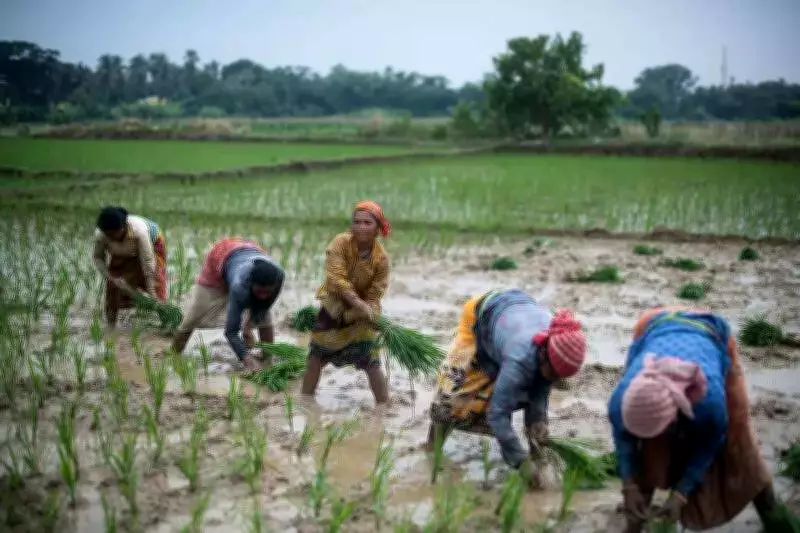
UN Awards Prestigious Recognition to West Bengal's Agricultural Heritage
In a significant development, the United Nations has officially recognized West Bengal's renowned aromatic rice varieties and a key agricultural initiative as part of global cultural and natural heritage. Chief Minister Mamata Banerjee announced this achievement via social media on Wednesday, highlighting the state's contributions to biodiversity and community-driven farming.
Recognition of Aromatic Rice Varieties
The Food and Agriculture Organization (FAO), a specialized agency of the UN, has certified West Bengal's famed Gobindbhog, Tulaipanji, and Kanakchur aromatic rice as food and culture heritage. This acknowledgment underscores the unique agricultural practices and cultural significance embedded in these rice strains, which are integral to Bengal's culinary and farming traditions.
Notably, Gobindbhog and Tulaipanji already hold Geographical Indication (GI) tags, which protect their origin and quality. The UN recognition further elevates their status on an international platform, celebrating their role in preserving natural heritage and biodiversity.

Matir Srishti Program Receives International Acclaim
In addition to the rice varieties, the UN awarded an internationally valued certificate to West Bengal for its community initiatives under the 'Matir Srishti' program. Launched in 2020, this innovative project aims to transform barren, non-arable, and mono-crop land in the dry western districts (Paschimanchal) into fertile ground capable of supporting multiple crops.
Chief Minister Banerjee emphasized that the program has crafted a unique vision by integrating strategies related to land management, irrigation, and panchayat involvement. "This creative and multi-departmental concept received UN recognition as a worthy community initiative in the category of preservation of natural heritage and biodiversity," she stated on her X handle.
Impact and Achievements of Matir Srishti
The 'Matir Srishti' initiative has yielded substantial benefits for rural communities in West Bengal:
- Creation of additional irrigation facilities to support agricultural activities.
- Generation of lakhs of livelihood opportunities, empowering farmers and local residents.
- Promotion of sustainable farming practices that enhance soil fertility and crop diversity.
This recognition follows UNESCO's earlier acknowledgment of Kolkata's Durga Puja as an intangible cultural heritage of humanity, highlighting Bengal's rich cultural and agricultural legacy on the global stage.
Dedication to Rural Communities
In her announcement, Chief Minister Banerjee dedicated the UN recognition to the entire rural community of West Bengal, with special mention to the farmers. "UN-FAO recognition of these initiatives is a prestigious honour for globally recognised good works to conserve natural heritage, biodiversity and food and culture heritage," she wrote, sharing certificates of recognition from the Director General of FAO.
This achievement not only celebrates West Bengal's agricultural innovations but also sets a benchmark for community-led conservation efforts worldwide, reinforcing the state's commitment to sustainable development and cultural preservation.