

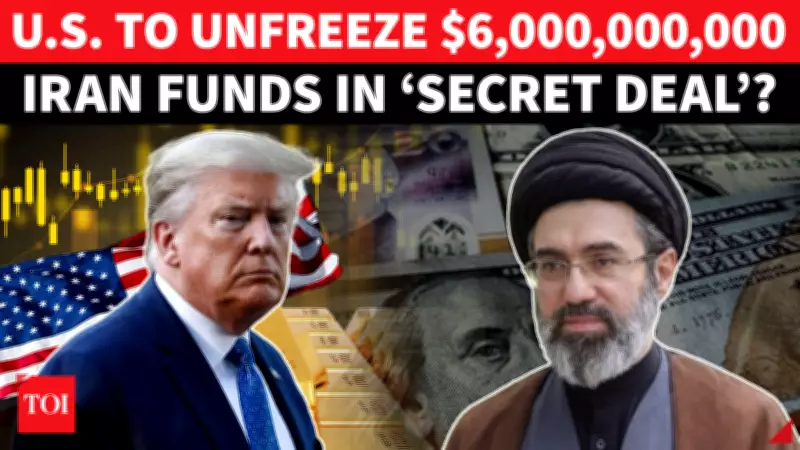
White House Denies $6 Billion Iran Asset Unfreeze Amid Conflicting Reports
Conflicting reports have created significant uncertainty over whether the United States has agreed to unfreeze up to $6 billion in Iranian assets as part of ongoing high-stakes negotiations in Islamabad. Iranian sources have claimed that Washington has signaled its seriousness in the talks by agreeing to release the funds, which they say is linked to ensuring safe passage through the strategically vital Strait of Hormuz.
Contradictory Claims from Both Sides
According to Iranian officials familiar with the negotiations, the United States has demonstrated a willingness to compromise by agreeing to unfreeze the substantial assets. These sources suggest the move represents a significant concession aimed at de-escalating tensions and facilitating diplomatic progress. The funds in question were originally frozen in 2018 as part of broader sanctions targeting Iranian oil sales.
However, U.S. officials have categorically denied any such decision, creating a stark contradiction between the two sides' narratives. The White House has maintained that no agreement has been reached regarding the unfreezing of these assets, leaving the diplomatic community and international observers to parse through competing claims.

Historical Context of the Frozen Assets
The $6 billion in question has a complex history within U.S.-Iran relations. Originally frozen during the Trump administration's maximum pressure campaign, the funds were briefly released in 2023 as part of a prisoner swap agreement. This temporary release provided a brief moment of diplomatic thaw before the assets were blocked again, returning to their frozen status amid ongoing tensions.
As negotiations continue in Islamabad, the fate of these assets has emerged as a critical point of contention. Both sides recognize the symbolic and practical importance of the funds, with Iran viewing their release as essential for economic relief and the United States considering them leverage in broader security discussions.
Strategic Implications for Regional Security
The Iranian claim that asset unfreezing is linked to Strait of Hormuz security adds another layer of complexity to the negotiations. The Strait of Hormuz represents one of the world's most crucial maritime chokepoints, through which approximately one-fifth of global oil consumption passes annually. Any agreement affecting navigation through these waters carries significant implications for international energy markets and regional stability.
With talks ongoing, the contradictory positions on the $6 billion question highlight the delicate nature of current U.S.-Iran diplomacy. Observers note that such public disagreements are not uncommon in high-stakes negotiations, where both sides often test positions through media channels while maintaining flexibility in private discussions.
Broader Diplomatic Landscape
The Islamabad talks occur against a backdrop of multiple regional tensions, including ongoing conflicts and security concerns across the Middle East. The asset question has become a microcosm of larger trust issues between Washington and Tehran, with each side carefully calibrating its public statements while pursuing strategic objectives.
As diplomatic efforts continue, the resolution of the $6 billion question will likely serve as an important indicator of whether broader agreements can be reached. The conflicting reports underscore the challenges of achieving consensus on issues that carry both symbolic weight and practical consequences for both nations' foreign policy objectives.






