

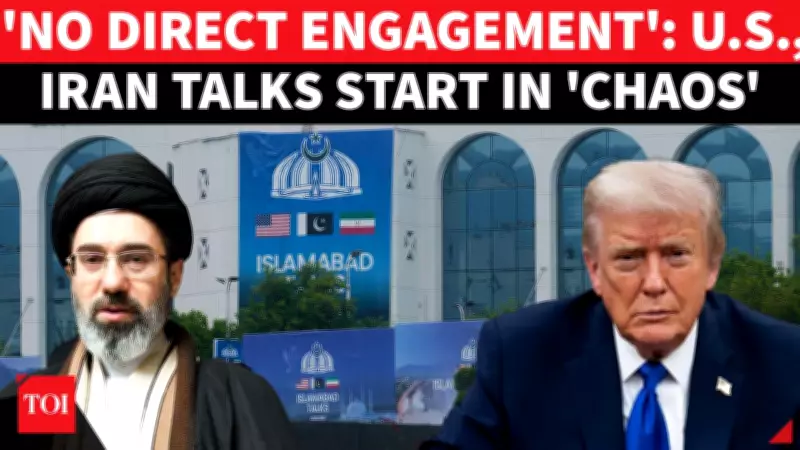
US-Iran Negotiations in Islamabad Face Delay as Key Differences Persist
High-stakes diplomatic talks between the United States and Iran, hosted in Islamabad, have encountered an early delay, highlighting the fragile and complex nature of the negotiation process even before formal discussions commence. According to reports, the start of the talks has been pushed back from the original schedule, with both delegations now expected to hold separate meetings with Pakistani Prime Minister Shehbaz Sharif before entering direct negotiations.
Diplomatic Process Under Scrutiny
The delay reflects a carefully managed and highly sensitive diplomatic process, with Pakistan serving as the host for what are being described as "make-or-break" talks. These negotiations aim to stabilize ongoing conflicts in the region and potentially move toward a longer-term agreement. However, the postponement itself underscores the depth of unresolved issues between the two nations, casting a shadow over the prospects for immediate progress.
Sources indicate that the separate meetings with Prime Minister Shehbaz Sharif are part of a strategic approach to address preliminary concerns and build a foundation for more productive direct talks. This step-by-step methodology is seen as crucial in navigating the intricate geopolitical landscape, where historical tensions and recent escalations have complicated diplomatic efforts.

Context and Implications
The talks come amid a backdrop of regional instability, with related conflicts involving groups like Hezbollah and ongoing tensions in the Middle East. The delay in Islamabad is not merely a logistical hiccup but a significant indicator of the challenges ahead. Analysts suggest that both sides are grappling with core differences that could hinder any swift resolution, making the role of Pakistan as a mediator even more critical.
Key areas of contention likely include nuclear agreements, regional security, and economic sanctions, all of which have been points of friction in past negotiations. The fact that the talks have been delayed before they even begin suggests that preliminary discussions have already revealed substantial gaps in positions, requiring additional diplomatic groundwork.
Looking Forward
As the world watches closely, the success or failure of these talks could have far-reaching implications for global peace and security. The delay, while concerning, may also provide an opportunity for both parties to reassess their strategies and come to the table with more flexible approaches. For now, the focus remains on the upcoming meetings with Pakistani leadership, which could set the tone for the subsequent direct negotiations.
In summary, the delay in US-Iran talks in Islamabad serves as a stark reminder of the complexities involved in international diplomacy. With key differences persisting, the path to a stable agreement remains uncertain, but the continued engagement offers a glimmer of hope for de-escalation and long-term resolution.






