

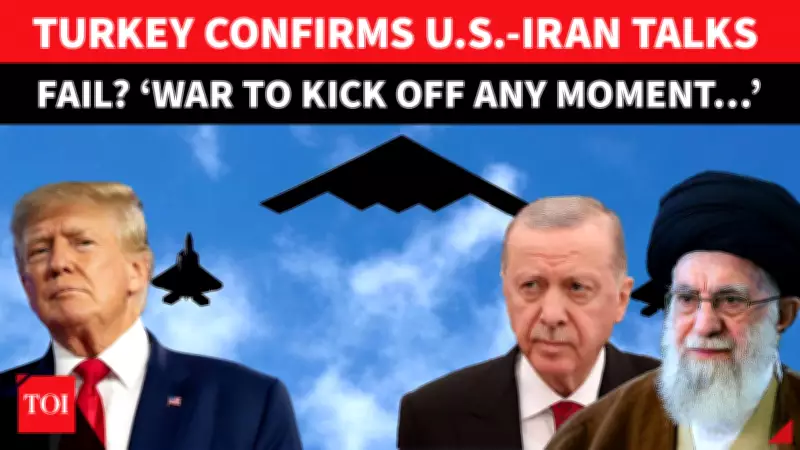
US-Iran Nuclear Negotiations Reach Critical Juncture Amid Regional Tensions
Diplomatic efforts between the United States and Iran are intensifying as both nations cautiously explore a potential nuclear agreement. However, the situation remains highly volatile, with Turkey issuing a stark warning that expanding the negotiations to include Iran's ballistic missile program could push the Middle East toward another devastating war.
Turkey's Grave Warning on Ballistic Missile Inclusion
Turkish Foreign Minister Hakan Fidan has expressed serious concerns about the direction of the talks. While acknowledging that both Washington and Tehran appear willing to compromise on certain issues, Fidan cautioned strongly against overreach in the negotiations. He emphasized that adding Iran's ballistic missile capabilities to the agenda could cross a dangerous red line, potentially destabilizing the entire region and leading to military confrontation.
US Maintains Military Option as Iran Threatens Response
On the American side, Vice President JD Vance has made it clear that diplomacy is not the only path forward. He stated unequivocally that "another option" remains available should negotiations fail to produce acceptable results. This veiled reference to military action has not gone unnoticed in Tehran, where Iranian officials have responded with threats of a "crushing response" to any form of military aggression against their nation.

Hardening Red Lines and Regional Implications
The diplomatic landscape is becoming increasingly complex as all parties involved establish and reinforce their positions. With red lines hardening on multiple fronts, the Middle East finds itself at a particularly fragile and uncertain moment. The potential for miscalculation or escalation remains high, creating anxiety among regional allies and global observers alike.
The Broader Context of Middle East Stability
This latest development occurs against a backdrop of longstanding regional tensions and competing strategic interests. The outcome of these negotiations could significantly reshape power dynamics in the Middle East, affecting everything from energy security to counterterrorism efforts. Regional powers like Turkey are particularly concerned about how expanded negotiations might impact their own security interests and the broader stability of neighboring nations.
As diplomatic channels remain open but strained, the international community watches closely to see whether compromise can prevail over confrontation in this high-stakes geopolitical standoff.






