

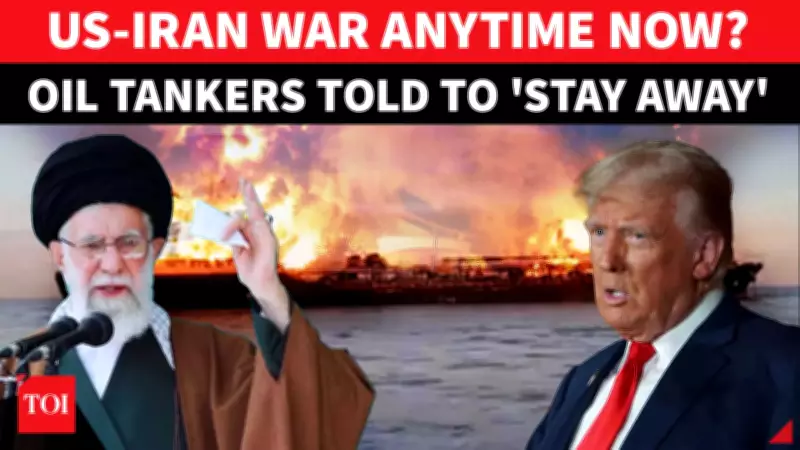
US Issues Fresh Maritime Warning for Strait of Hormuz Amid Escalating Iran Tensions
The United States has released updated maritime guidance for commercial vessels navigating the Strait of Hormuz, a critical global oil chokepoint, as diplomatic strains with Iran intensify over Tehran's nuclear ambitions. This narrow waterway, through which approximately one-fifth of the world's oil supplies flow, represents a significant vulnerability for international energy markets, with any potential disruption posing severe global economic risks.
Heightened Security Measures and Advisory Details
American authorities are strongly advising U.S.-flagged vessels to maintain maximum distance from Iran's territorial waters, ensure continuous operation of tracking systems, and engage in close coordination with U.S. and allied naval forces. This proactive stance is a direct response to Iran's historical threats to blockade the strait and its repeated seizures of oil tankers and commercial ships in recent years.
The timing of this warning is particularly noteworthy, as it coincides with renewed indirect nuclear negotiations between the United States and Iran, currently taking place in Oman. Despite these diplomatic efforts, the United States, under President Donald Trump, is simultaneously ramping up economic pressure through the imposition of new tariffs, highlighting a dual-track approach of talks and sanctions.

Global Implications and Ongoing Risks
As oil tankers continue their transit through this volatile region, the underlying message from Washington is unequivocal: while diplomacy may be in motion, the perils at sea—and the broader geopolitical landscape—remain alarmingly elevated. The situation underscores the fragile balance between dialogue and deterrence in one of the world's most strategically vital maritime corridors.






