

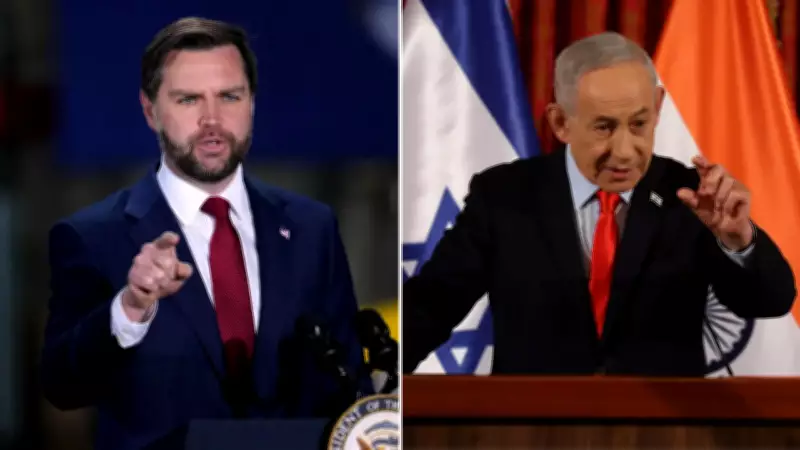
US Vice President JD Vance Confronts Israeli PM Netanyahu in Tense Call Over Iran War Claims
In a significant diplomatic development, US Vice President JD Vance engaged in a tense phone call with Israeli Prime Minister Benjamin Netanyahu this week, directly challenging what he perceived as overly optimistic assertions regarding the ongoing war in Iran. According to reports from Axios, this exchange has exposed growing unease within the Trump administration concerning the initial presentation and current trajectory of the conflict.
Disagreement Over Pre-War Assessments and Strategic Expectations
The core of the disagreement centered on Netanyahu's pre-war assessment, which a US official described to Axios as having been "sold to the president as being easy," with regime change in Iran portrayed as more likely than it has proven to be. Vance, who has long been skeptical of prolonged military engagements, reportedly highlighted the gap between these expectations and the reality on the ground. Weeks into the conflict, Iran's leadership remains firmly in control despite sustained military pressure, with hardline factions consolidating power rather than weakening as initially projected.
Officials noted that Vance had been among the more cautious voices in the administration before the war began, questioning its duration, objectives, and impact on US military resources. While he ultimately supported the decision once made, he has maintained a wary stance on strategic drift and misaligned expectations between Washington and Tel Aviv.

Growing Tensions and Vance's Expanding Diplomatic Role
Tensions appear to have deepened following the call, with some White House officials suspecting that elements within Israel were attempting to undermine Vance. Reports in a right-wing Israeli outlet, later dismissed by multiple sources as inaccurate, claimed he had berated Netanyahu over unrelated issues. US officials privately suggested this narrative might be part of an effort to portray Vance as unreliable, though no evidence of a coordinated campaign has emerged.
Despite the friction, Vance's influence within the administration is growing. President Trump has formally elevated his role in recent days, tasking him with helping steer negotiations alongside long-time advisers Steve Witkoff and Jared Kushner. A senior administration figure bluntly stated to Axios, "If the Iranians can't strike a deal with Vance, they don't get a deal. He's the best they're going to get."
Intensifying Diplomatic Efforts and Market Reactions
Efforts to broker talks are intensifying, with countries including Pakistan, Turkey, and Egypt acting as intermediaries. Islamabad has even been floated as a potential venue, with Prime Minister Shehbaz Sharif offering to host negotiations. However, Iran has publicly denied that direct talks are underway, insisting that any communication is being handled through "friendly states," and officials in Tehran are awaiting approval from top leadership before committing to formal discussions.
Meanwhile, President Trump has extended his deadline for diplomacy but continues to warn of a major military escalation if talks fail, including potential strikes on Iran's energy infrastructure. This uncertainty has led to nervous market reactions, with oil prices fluctuating sharply amid concerns over the Strait of Hormuz.
The situation underscores the complex dynamics at play as the US navigates its role in the Middle East conflict, with Vance emerging as a central figure in Washington's diplomatic push to end the war.






