

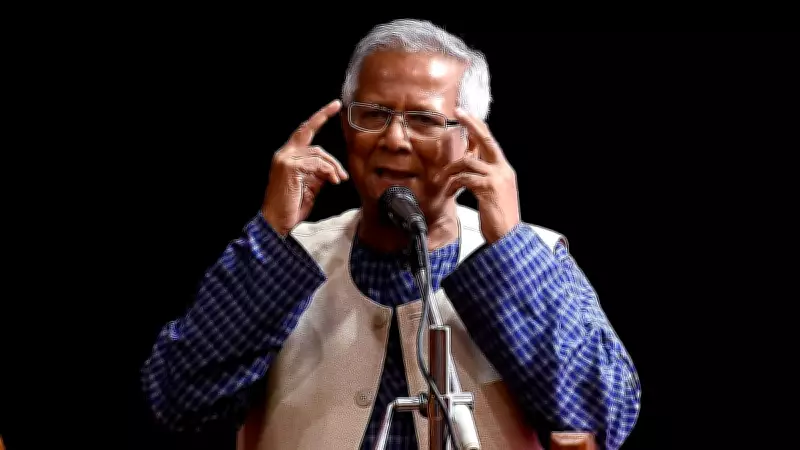
Nobel Laureate Muhammad Yunus Advocates for 'Yes' Vote in Bangladesh's Pivotal Referendum
In a significant political development, Nobel Peace Prize laureate Muhammad Yunus has issued a clarion call for citizens of Bangladesh to vote 'Yes' in the upcoming national referendum. Yunus emphasized that a positive outcome is essential to keep what he described as 'misrule' at bay, highlighting the critical nature of this democratic exercise for the nation's future governance.
Campaign for Comprehensive Reform Package
Over the past several weeks, Yunus and his administration have been actively campaigning to garner public support for a complex 84-point reform package. This extensive set of proposals aims to address various structural and policy issues within Bangladesh, seeking to implement sweeping changes across multiple sectors. The campaign efforts have involved extensive public outreach, discussions, and advocacy to explain the intricacies of the reforms to the electorate.
The referendum, scheduled for a near-future date, represents a pivotal moment in Bangladesh's political landscape. Yunus's vocal endorsement underscores the high stakes involved, as the outcome could significantly influence the country's trajectory. He argues that a 'Yes' vote is not merely a procedural step but a decisive action to foster transparency, accountability, and effective governance.

Implications for Governance and Stability
Yunus's warning about 'misrule' suggests concerns over potential governance challenges if the referendum fails. By advocating for the 84-point package, he positions the vote as a safeguard against inefficiency and corruption, aiming to rally public sentiment around a vision of progressive reform. The reforms are designed to tackle long-standing issues, potentially reshaping economic, social, and political frameworks in Bangladesh.
This move by Yunus, a globally respected figure, adds considerable weight to the referendum debate. His involvement is likely to draw international attention to Bangladesh's internal processes, emphasizing the importance of democratic participation and reform. As the campaign intensifies, all eyes will be on how the public responds to this call for change and the broader implications for regional stability.






