

Assam's Final Electoral Roll Published with Significant Voter Deletions
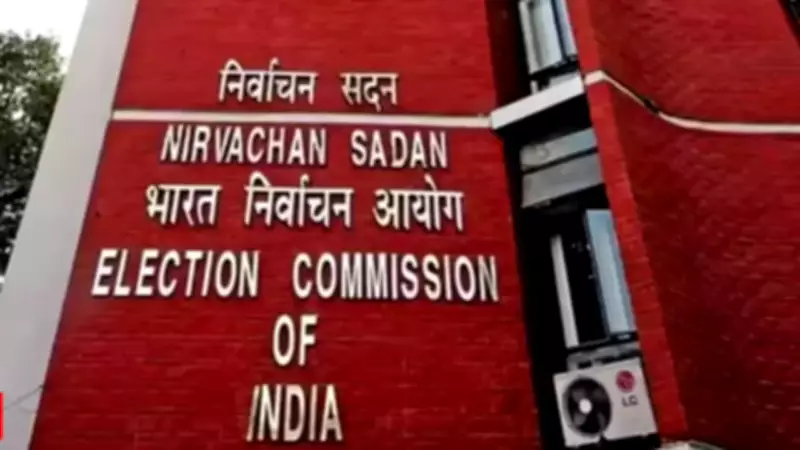
The Election Commission of India officially published the final electoral rolls for Assam on Tuesday, following the completion of the Special Revision exercise. This crucial update comes just months before the state is scheduled to hold Assembly elections, making the voter list a critical document for the democratic process.
Key Statistics from the Final Voter List
According to detailed data released by the office of the Chief Electoral Officer of Assam, the final roll now contains 2,49,58,139 registered electors. This represents a noticeable decline of 0.97 percent from the draft electoral roll that was published on December 27 of the previous year, which had recorded 2,52,01,624 voters.
The comprehensive breakdown reveals that the final list includes 1,24,82,213 male voters, 1,24,75,583 female voters, and 343 third-gender voters. The gender distribution shows near parity between male and female electors, with the inclusion of third-gender voters marking progress in electoral inclusivity.

Reasons Behind the Substantial Deletions
The electoral authorities removed over 2.43 lakh names from the draft list through a meticulous verification process during the claims and objections phase of the Special Revision exercise. Officials identified multiple categories of ineligible or duplicate entries that necessitated removal:
- 4,78,992 deceased electors whose names remained on previous rolls
- 5,23,680 voters who had permanently shifted their residence to other locations
- 53,619 cases of multiple entries or duplicate registrations
These deletions were only implemented in the final roll after following due legal process and verification protocols. Interestingly, before these verification-led deletions, the Special Revision exercise had actually shown a 1.35 percent increase compared to the previous final roll published in January 2025.
Legal Remedies for Affected Voters
The Chief Electoral Officer's office has clarified that voters whose names were removed on grounds of having "permanently shifted" still retain legal recourse. Under the provisions of the Representation of the People Act, 1950, affected individuals can pursue specific remedies:
- File an initial appeal against deletion within 15 days to the district magistrate
- Submit a second appeal within 30 days to the Chief Electoral Officer if dissatisfied with the initial decision
Election officials have emphasized that eligible voters who could not previously apply for address changes—particularly those displaced due to eviction drives or administrative actions—can now apply for re-inclusion at their new residential addresses.
"If they could not apply for shifting of their names before deletion, they can now apply for inclusion under the RP Act," an election official explained to the press.
Detailed Instructions for District Election Officers
The Chief Electoral Officer has issued comprehensive guidelines to all District Election Officers regarding voter re-inclusion procedures. The official communication highlights that during the Special Revision process, some voters were categorized as "permanently shifted" but could not submit required forms because electoral rules permit only one application per revision cycle.
Such affected voters may now submit Form 6, which is designated for inclusion in electoral rolls, provided they were unable to file Form 8 earlier due to ongoing objections or deletion processes under Form 7. Officials have received strict directives to conduct rigorous verification to ensure that no ineligible voter is added while simultaneously protecting the voting rights of legitimate citizens.

Political Controversy and Allegations
The Special Revision exercise has ignited significant political controversy in Assam, with opposition parties leveling serious allegations against the ruling establishment. Multiple opposition groups have accused the revision process of being misused for what they term "vote theft," claiming that genuine citizens—particularly from religious minority communities—are facing systematic harassment and disenfranchisement.
Chief Minister Himanta Biswa Sarma had previously stated that notices were being issued primarily to "Miyas" to maintain "pressure" on this demographic group. He further claimed that BJP workers had filed more than five lakh complaints against alleged illegal immigrants from Bangladesh.
The term "Miya," historically used as a derogatory label for Bengali-speaking Muslims in Assam, has in recent years been reclaimed by sections of the community as a symbol of cultural and political assertion.
Parallel Developments in West Bengal
Meanwhile, the Election Commission has provided updates regarding electoral roll revision in West Bengal. The Commission has extended timelines for the state's Special Intensive Revision, pushing the final publication date to February 14. This extension was granted citing extensive enumeration work requirements and the necessity for polling station rationalization across the state.
In West Bengal, house-to-house verification concluded on December 11 of the previous year, draft rolls were published on December 16, and the period for claims and objections remained open until January 15.
Commission's Emphasis on Electoral Integrity
Reiterating its fundamental position, the Election Commission has urged citizens across all states to actively participate in roll revision exercises. The Commission emphasizes that accurate, updated, and comprehensive electoral rolls form the essential foundation for conducting free, fair, and credible elections in the world's largest democracy.
The final publication of Assam's electoral rolls marks a critical milestone in election preparation, setting the stage for what promises to be a closely contested Assembly election in the coming months. All political stakeholders will be closely analyzing the voter demographics and distribution as they formulate their electoral strategies.





