

Election Commission Issues Strict EVM Guidelines for West Bengal Polls
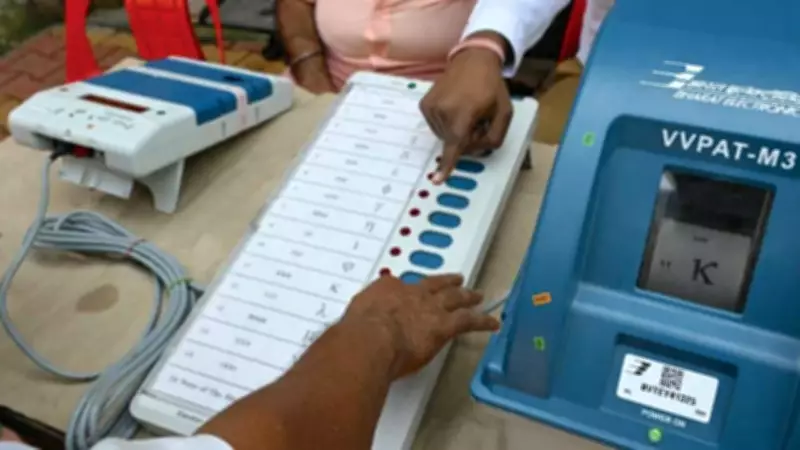
The Election Commission of India has issued a critical directive to presiding officers across all polling stations in West Bengal, mandating a thorough inspection of electronic voting machines (EVMs). The commission has emphasized that every candidate button on the ballot units must be completely visible to voters, with no obstruction from tape, glue, or any other material.
Prohibition on Chemical Substances and Tampering
In a detailed instruction, the EC explicitly prohibited the application of colour, ink, perfume, or any chemical substance to the candidate buttons. This measure addresses two significant concerns: buttons covered with tape or similar items can hinder voters from making informed choices, while buttons treated with colour or perfume leave detectable traces on voters' fingers. Such traces could potentially allow party supporters or anti-social elements to identify which candidate a voter selected, thereby violating the fundamental principle of ballot secrecy.
Historical Context and Legal Consequences
EC sources revealed that these malpractices have been commonly reported during previous elections in West Bengal. The commission has declared that any instance of such interference will be treated as tampering with EVMs, which constitutes a serious electoral offence. An official stated, "The Election Commission will not hesitate in initiating criminal action in such cases, by ordering the registration of an FIR, and also order a repoll in the polling station concerned." This stern warning underscores the EC's commitment to maintaining the integrity of the electoral process.

The directive aims to prevent any manipulation that could compromise free and fair elections, ensuring that voters can exercise their franchise without fear or influence. By enforcing these guidelines, the Election Commission seeks to uphold transparency and trust in the democratic system, particularly in a region with a history of electoral challenges.






