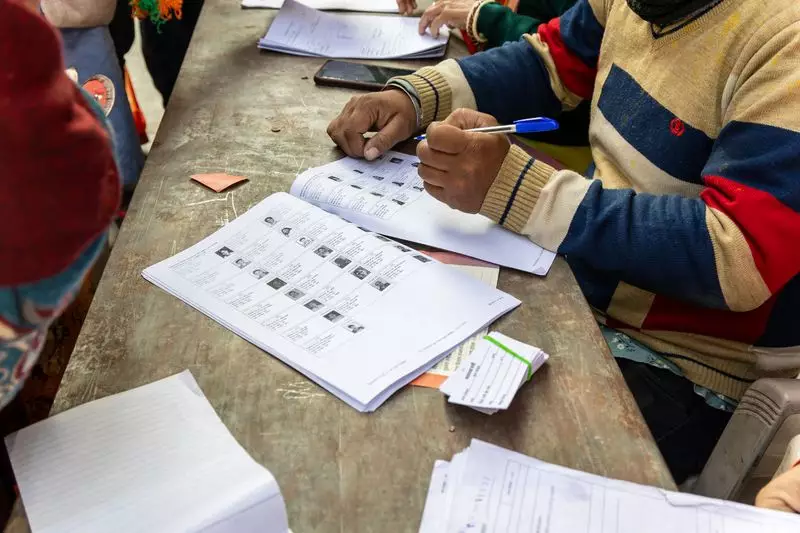
The Election Commission of India (ECI) has taken the significant step of suspending hearings related to "unmapped electors" in West Bengal. This sudden pause comes after the poll body identified a technical issue within the foundational 2002 electoral roll data, which is causing complications in the current verification process.
The Core of the Technical Glitch
According to official communications, the problem originates from the digitized records of the electoral roll from the year 2002. This vintage roll serves as a crucial reference point for mapping and verifying current voters. The discovered technical flaw is creating discrepancies, making it challenging to accurately cross-reference and validate the status of electors who are currently listed as "unmapped." The exact nature of this data corruption or error has not been publicly detailed, but its impact is substantial enough to halt ongoing legal proceedings.
Immediate Impact on Electoral Hearings
The Commission's decision has an immediate and direct effect. All scheduled hearings before the Electoral Registration Officers (EROs) concerning these unmapped voters have been indefinitely postponed until further notice. This move effectively puts a temporary stop to a critical democratic process aimed at cleansing the electoral roll and ensuring its integrity. The ECI has instructed its field officers to await corrected data or further technical guidance before resuming the adjudication process.
Context and Significance of the 2002 Roll
The 2002 electoral roll holds particular importance in West Bengal's electoral history. It is often treated as a baseline document for resolving disputes about voter residency and inclusion, especially in cases where claimants assert their family's long-term presence in a constituency. A technical fault in this foundational data layer, therefore, has a ripple effect, potentially calling into question the outcomes of past verifications and complicating future ones.
The issue of unmapped electors is a sensitive one, often entangled in allegations of voter fraud and political manipulation. The ECI's proactive decision to halt proceedings upon discovering the glitch underscores its commitment to a fair and technically sound process, even if it causes administrative delay. It prioritizes accuracy over speed in the vital task of maintaining a reliable voter list.
Next Steps and Broader Implications
The ball is now in the court of the ECI's technical teams. They must work on diagnosing and rectifying the error in the 2002 database. Once a solution is implemented and verified, the Commission will issue fresh directives for the resumption of hearings. This incident highlights the critical importance of data integrity in digital archiving and the long-term challenges of maintaining legacy systems in a country's electoral infrastructure.
For political parties and citizens in West Bengal, this development means an unexpected intermission in the ongoing electoral roll revision process. All stakeholders will now await the Commission's next move, which will be crucial for ensuring the state's voter list is robust and beyond technical reproach ahead of future elections.