The Election Commission of India (ECI) has formally asserted its legal authority to conduct the Summary Revision (SIR) of electoral rolls. This significant submission was made before the Supreme Court of India, reinforcing the poll panel's constitutional and statutory mandate in managing the voter list process.
Legal Submission Before the Bench
Senior advocate Rakesh Dwivedi, representing the Election Commission, presented the arguments before a Supreme Court bench. The bench was headed by Chief Justice Surya Kant and included Justice Joymalya Bagchi. The core of the EC's position is that it possesses both the power and the competence to undertake the crucial exercise of summarily revising the electoral rolls, a process fundamental to ensuring free and fair elections.
The Significance of Summary Revision (SIR)
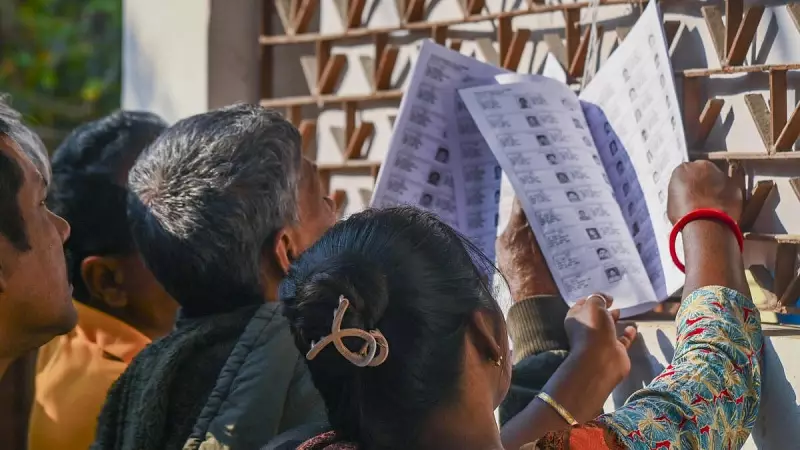
The Summary Revision of Rolls is a periodic process where the Election Commission updates the voter list by adding eligible voters who have turned 18 or moved into a constituency, and deleting names of those who are deceased or have shifted. The EC's defense of its role in this process is central to maintaining the integrity of the electoral framework. By stating its authority clearly before the apex court, the Commission aims to settle any legal ambiguity regarding its operational autonomy in this domain.
Context and Implications
The submission, made on 06 January 2026, underscores the Election Commission's proactive stance in safeguarding its constitutional duties. This legal affirmation is pivotal as it comes amidst ongoing efforts to ensure electoral rolls are accurate, inclusive, and updated. The Commission's clear stance is expected to have lasting implications for how electoral preparations are legally viewed and challenged in the future, strengthening its hand in administering one of the world's largest democratic exercises.
The development highlights the ongoing judicial scrutiny of electoral processes and the EC's commitment to upholding its mandate. The Supreme Court's eventual ruling on this matter will be closely watched for its impact on the autonomy and functioning of India's premier election management body.