The Trinamool Congress (TMC) has intensified its criticism of the Election Commission of India (ECI), leveling serious allegations of partiality in its ongoing electoral roll revision process in West Bengal. The party claims the move is designed to unfairly benefit the Bharatiya Janata Party (BJP) in the upcoming state assembly elections.
Allegations of Partisan Conduct by Election Commission
At the heart of the controversy is the Special Summary Revision (SIR or SSR) of the electoral rolls currently underway in the state. The TMC leadership has been vocal in its assertion that the timing and execution of this revision are politically motivated. They allege the process is being conducted in a manner that could lead to the wrongful deletion of names of voters perceived to be sympathetic to the TMC, while facilitating the addition of new voters who might lean towards the BJP.
The party argues that this creates an uneven playing field and undermines the democratic process. Anirban Bhaumik reported on these developments, highlighting the escalating political tension. The TMC's sharp attack was prominently reported on 06 January 2026, bringing the issue to national attention.

Nobel Laureate Amartya Sen Drawn Into the Fray
In a dramatic turn that has added significant weight to the TMC's allegations, it has been revealed that even world-renowned economist and Nobel laureate Amartya Sen was served a notice by the electoral authorities. The notice, part of the SIR process, reportedly pertained to the verification of his details in the electoral roll.
The inclusion of a figure of Sen's stature in this administrative exercise has been seized upon by the TMC as evidence of the revision's overreach and potentially disruptive nature. The party suggests that if a resident of such high profile and established credentials can be subject to scrutiny, then ordinary voters are even more vulnerable to being wrongfully targeted or disenfranchised through this process.
Political Implications and Electoral Consequences
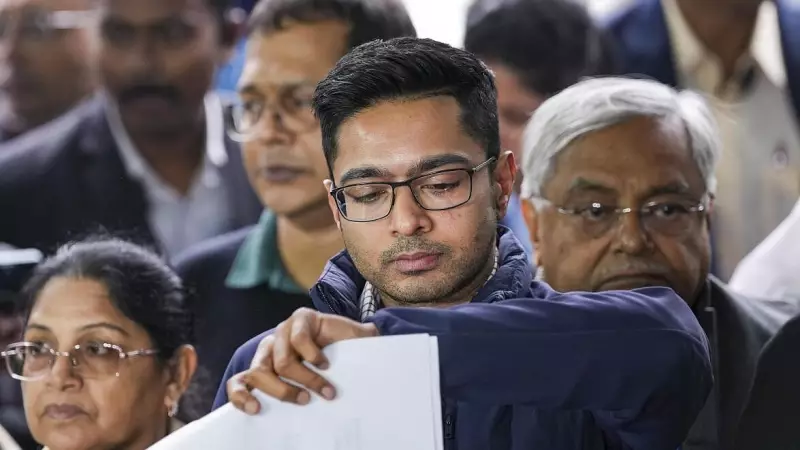
The confrontation sets the stage for a highly charged electoral battle in West Bengal. The TMC, led by figures like Abhishek Banerjee, is framing this issue as a fundamental question of institutional integrity and fair play. By alleging that the constitutional body meant to ensure free and fair elections is acting with bias, the party aims to rally its support base and shape the narrative ahead of the polls.
The key consequences of this ongoing dispute include:
- Erosion of Trust: Public confidence in the neutrality of the Election Commission could be damaged.
- Legal Challenges: The process may face legal scrutiny and petitions in court.
- Campaign Focus: The integrity of the electoral roll itself is likely to become a central theme in the election campaign.
- National Scrutiny: The issue has moved beyond state politics, attracting nationwide attention due to the involvement of Amartya Sen and the serious nature of the allegations.
As the state moves closer to the forthcoming assembly elections, the controversy over the Special Summary Revision is poised to remain a flashpoint, with the TMC vowing to continue its attack on the EC's operations in Bengal.