

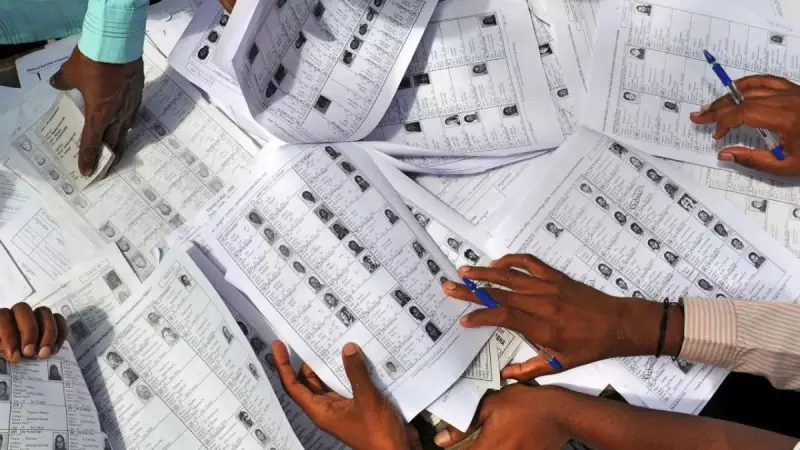
The Election Commission of India has published a crucial draft of the electoral roll for Uttar Pradesh, revealing significant changes in the voter database. This preliminary list, a key step in the ongoing Special Summary Revision 2026, has brought to light a substantial number of voters whose names have been removed from the rolls. The exercise aims to clean up the voter list by eliminating duplicate, deceased, or otherwise ineligible entries, ensuring the integrity of the democratic process.
Top Three Districts with Maximum Voter Deletions
The data from the draft list highlights a clear trend, with three districts standing out for recording the highest number of voter removals. Ghaziabad district tops the list, having removed a significant number of voters from its electoral roll. Following closely is Gautam Buddha Nagar (Noida), which also shows a high volume of deletions. The third district on this list is Meerut, completing the trio of western UP regions where the electoral purification drive has been most intense.
Officials attribute these high numbers to the demographic and administrative nature of these areas. Being part of the National Capital Region (NCR), these districts experience high population mobility due to migration for work and education. This constant churn often leads to situations where individuals are registered in multiple locations or have moved away without updating their registration, resulting in their names being flagged for removal during the revision process.

Reasons Behind the Large-Scale Removals
The process of removing names from the voter list is not arbitrary but follows strict guidelines set by the Election Commission. The primary reasons for the deletions observed in the UP draft list include:
- Duplicate Entries: The same voter being registered more than once, either in the same constituency or across different locations.
- Deceased Voters: Removal of names of individuals who have passed away, based on data shared by the Registrar of Births and Deaths.
- Shifts in Residence: Voters who have permanently moved out of the constituency without initiating a transfer of their registration.
- Incorrect Details: Entries with substantial errors or incomplete information that cannot be verified by booth-level officers.
The comprehensive door-to-door verification conducted by Booth Level Officers (BLOs) is instrumental in identifying these ineligible entries. The publication of the draft list on January 6, 2026, now opens a window for public scrutiny and claims.
What Voters Need to Do Next
The release of the draft electoral roll is not the final step. It initiates a critical period for citizens to verify their enrollment status. If a voter finds their name missing from the draft or discovers an error, they must act promptly. The Election Commission has provided a designated period for filing claims and objections.
Voters can check their status online through the official National Voters' Service Portal (NVSP) or the Chief Electoral Officer, Uttar Pradesh website. Alternatively, they can visit their local Electoral Registration Officer (ERO) or the designated voter help center. The process for inclusion of new names, corrections, or objections will remain open until January 20, 2026. It is imperative for all eligible citizens, especially in the high-impact districts of Ghaziabad, Gautam Buddha Nagar, and Meerut, to check the list and ensure their franchise is secured.
This revision is a foundational exercise for the electoral machinery ahead of future elections. A clean and accurate voter list is essential for conducting free and fair polls, preventing malpractices, and upholding the principle of 'one person, one vote'. The significant deletions in these three districts underscore the Election Commission's ongoing effort to refine the electoral database and enhance its credibility.






