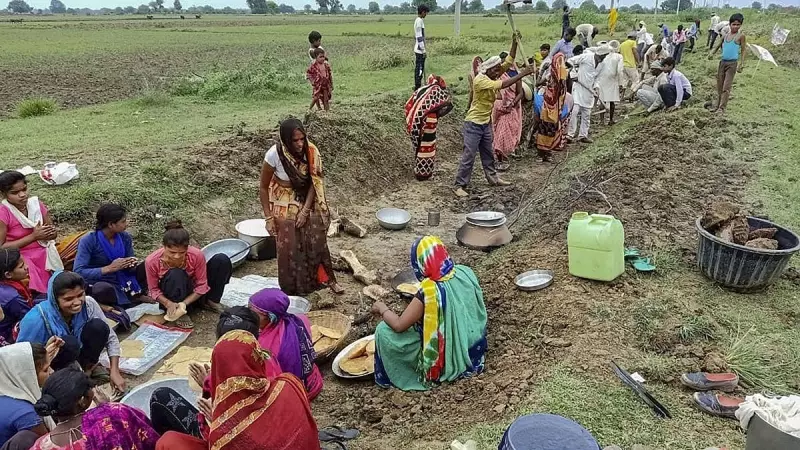
In a significant move, a coalition of more than 350 activists, academics, and concerned citizens has penned a powerful open letter to the Central government. Their core demand is clear: the flagship Mahatma Gandhi National Rural Employment Guarantee Act (MGNREGA) requires substantive fixes, not repeal.
A Plea for Preservation and Reform
The letter, dated 30 December 2025, serves as a robust defence of the rural jobs guarantee scheme. The signatories argue that MGNREGA is a critical lifeline for millions and a foundational pillar of rural democracy. Their primary contention is that the scheme's inherent problems should be resolved through constructive engagement and reform, rather than dismantling the architecture of the programme itself.
Critique of "Normative Design" and Democratic Erosion
A central point of criticism in the letter is directed at what the activists term a "normative design" approach to governance, exemplified by systems like the VB-G RAM G. They assert that such rigid, top-down frameworks are fundamentally flawed.
The letter powerfully states that this model erodes the very spaces where grassroots democracy thrives. Instead of initiating a dialogue by listening to the needs and experiences of the poor, it inverts the responsibility. The burden of proof is placed on the marginalised to propose alternative solutions for resource allocation, a process that starts from a position of exclusion rather than inclusion.
The Broader Implications for Welfare and Democracy
The activists' intervention highlights a growing tension between technocratic governance and participatory democracy. By urging the Centre to "start by listening to them from the outset," the letter frames MGNREGA not just as an economic safety net, but as a vital platform for civic engagement and empowerment.
The collective voice of these 350 signatories underscores a widespread apprehension that moving away from a rights-based, demand-driven scheme to a more controlled, algorithm-driven model could disenfranchise India's rural poor. The call is for enhancement, acknowledging the scheme's issues with wage delays, administrative bottlenecks, and fund allocation, while fiercely protecting its core principles.
As this open letter circulates, it adds considerable weight to the ongoing national debate about the future of social welfare in India and the nature of democratic accountability in policy implementation.