

Amritsar Residents Push for Enhanced Radio Infrastructure at Gharinda Site
Radio enthusiasts and experts in Amritsar have issued a strong call for the expansion and modernization of All India Radio's FM transmission facilities at Gharinda, located along the Amritsar-Attari GT Road. They argue that the current infrastructure is inadequate to serve the region effectively, particularly given its strategic position near the International Border with Pakistan.
Current Limitations and Proposed Solutions
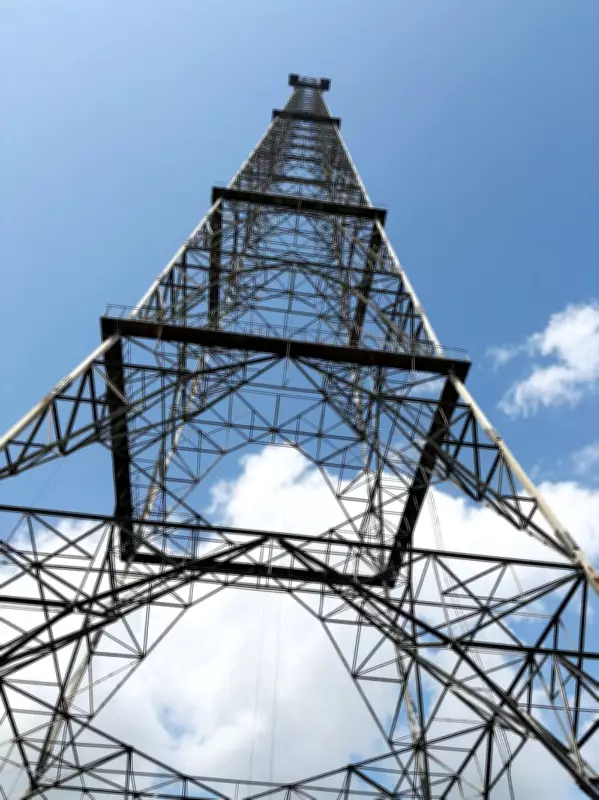
The existing setup at Gharinda relies on a guywire-supported 100-meter-high tower, which listeners claim fails to provide sufficient signal coverage across key areas in both India and Pakistan. To address this, Professor Mohan Singh has proposed an interim solution: utilizing the dormant 203-meter-high tower remnant from a previous project to double the coverage range of All India Radio Amritsar. This measure, he suggests, could immediately benefit audiences in Lahore and Amritsar while awaiting more permanent upgrades.
For the long term, Professor Singh advocates inviting global tenders to construct a state-of-the-art 400-meter-high concrete monolithic tower. This new structure would feature an observation deck with dining facilities at 300 meters, potentially transforming Gharinda into a tourism hotspot and boosting Amritsar's economy. He also emphasizes the need for a comprehensive office-cum-studio complex to establish Amritsar as a full-fledged program-originating facility, commensurate with its size and proximity to Lahore.

Historical Context and Ongoing Challenges
The push for upgraded radio infrastructure at Gharinda dates back over 19 years, when a project was initiated to counter alleged propaganda from Pakistan in the border belt. The original plan involved building a 300-meter-high transmission tower with a 100-km range, covering parts of India and Pakistan, including Jalandhar. After six years of construction, the tower was completed, but safety concerns arose when a team from IIT Roorkee detected a tilt in its upper portion. Despite Prasar Bharati's instructions to rectify the defect, the issue remained unresolved, leading to the tower's decommissioning.
Subsequently, a smaller 100-meter tower was erected nearby, with the FM-transmitting antenna from the original tower installed on it. This reduced the effective range to approximately 50 km, significantly limiting broadcast capabilities. Harjap Singh Aujla, a retired engineer, highlights the urgent need for a second FM transmitter at Gharinda to restore and enhance services. He points out that the Urdu Service has been curtailed, with evening and nightly segments currently off-air, and the Punjabi service 'Des Punjab' has faced reductions in broadcast time.
Recommendations for Service Restoration and Expansion
Aujla recommends several specific actions to improve radio services in the region. He calls for the restoration of the nightly 9.15 pm Urdu news bulletin and the full Urdu Service from 9.30 pm to 1 am on the 103.6 MHz frequency. Additionally, he suggests airing the 4.30 pm to 5.30 pm broadcast from the Golden Temple on AIR Amritsar's FM channel. With the addition of another transmitter, he proposes that one channel could carry the full primary programming of AIR Jalandhar, while the second could broadcast complete 'Des Punjab' and Urdu services, addressing the linguistic and cultural needs of the area.
During a recent visit to the Gharinda site, Aujla noted that the 203-meter-high remnant of the original tower shows no visible signs of rust, though components have been exposed to stagnant water after heavy rainfall. He believes that after a proper engineering inspection, this structure could be repainted and recommissioned as an interim arrangement. He urges authorities to dispatch a team of experts to assess the site conditions and explore feasible options for infrastructure overhaul.
The collective demand from Amritsar's radio community underscores the critical role of upgraded radio infrastructure in enhancing communication, cultural exchange, and tourism in this border region. As calls for action grow louder, stakeholders await decisive steps from Prasar Bharati and other relevant authorities to revitalize Gharinda's broadcasting capabilities.






