Andhra Pradesh Municipal Department Issues Strict Water Safety Directives
The municipal administration department in Andhra Pradesh has rolled out stringent precautionary measures to ensure the supply of safe and uncontaminated drinking water across the state. This action follows a comprehensive review by Chief Minister Chandrababu Naidu, who expressed serious concern over sporadic cases of gastroenteritis and diarrhoeal diseases reported in certain towns.
Accountability and Urgency Emphasized by CM Naidu
Chief Minister Chandrababu Naidu underscored that access to safe drinking water is a fundamental public service obligation. He urged all departments to respond with urgency, coordination, and accountability, warning that any lapses affecting public health would be treated with utmost seriousness. The CM's directives prompted the municipal administration department to issue a detailed Standard Operating Procedure (SOP) aimed at preventing water contamination.
Immediate Inspection and Infrastructure Upgrades Ordered
Acting on the chief minister's instructions, the department has mandated municipal commissioners to immediately inspect drinking water pipelines in all towns and cities. Principal Secretary S Suresh Kumar of the municipal administration and urban development department issued specific orders:

- Shift any pipelines found passing through drainage lines without delay.
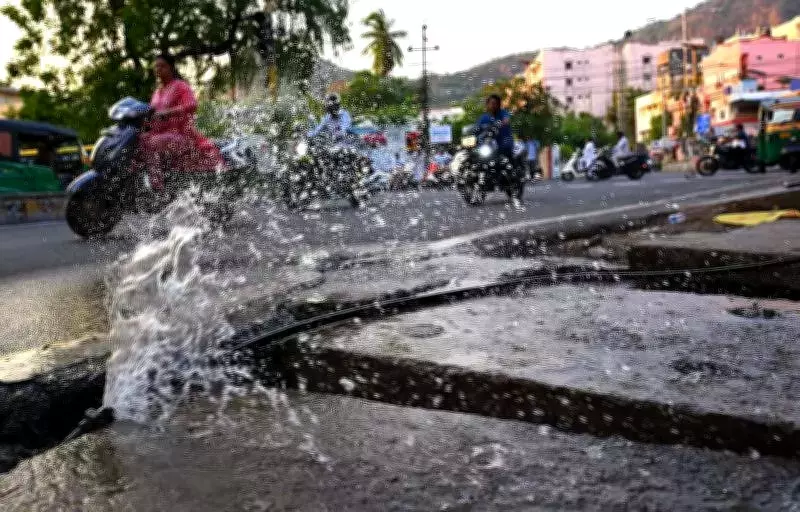
- Undertake desiltation works to prevent stagnation of sewage water in drains.
- Establish 24×7 control rooms in all municipalities to handle complaints related to drinking water and seasonal diseases.
Suresh Kumar cautioned that negligence in water supply management or drain cleaning would result in strict accountability for commissioners and field-level staff.
Systemic Shortcomings Exposed in Water Management
In his observations, Suresh Kumar noted that recent incidents have revealed systemic deficiencies in water supply management, including issues with chlorination practices, pipeline maintenance, and drainage upkeep. He emphasized that such shortcomings cannot be dismissed as routine lapses but must be treated as serious administrative failures with direct implications for public health.
The department has made it clear that municipal commissioners will be held personally accountable if contamination is reported in their respective Urban Local Bodies (ULBs). This move aims to reinforce the state's commitment to safeguarding public health through robust water safety protocols.