

Belagavi City Corporation Approves Critical Smart City Funding in Emergency Session
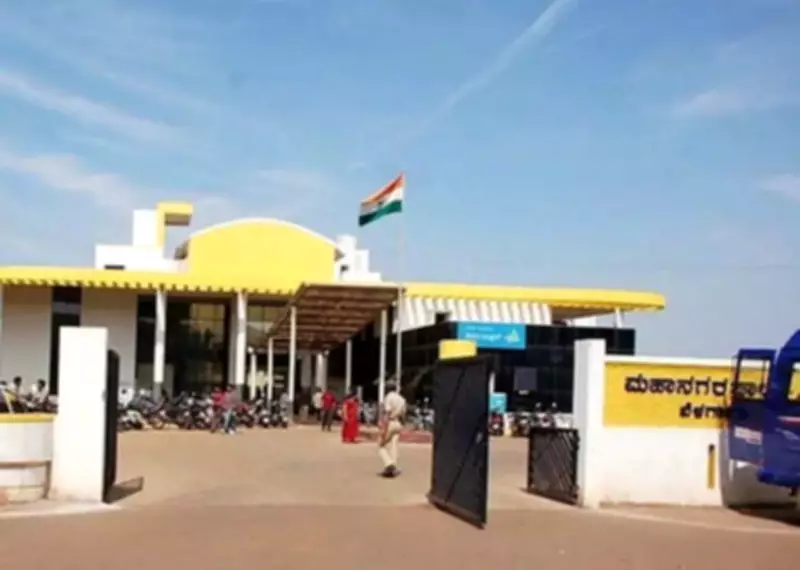
The Belagavi City Corporation (BCC) convened a special emergency council meeting on Monday to address urgent matters concerning the city's participation in the central government's CITIIS 2.0 programme. The primary agenda was to approve project components prepared by Belagavi Smart City Limited (BSCL) and to clear the corporation's share of funds for the initiative.
Unique Selection and Funding Structure
Belagavi holds the distinction of being the only city in Karnataka selected under the CITIIS 2.0 programme, which is specifically designed to strengthen solid waste management systems across urban centers. The original proposal envisioned a substantial Rs 135 crore grant, with funding distributed as follows: the central government and state government each contributing 40%, while the urban local body would bear the remaining 20%.
However, the project has faced significant financial challenges. Following the state government's reported withdrawal of its share, BSCL was forced to scale down the project to approximately Rs 75 crore. This reduction has created additional pressure on meeting program requirements.

Procedural Deadlines and Approval Process
Officials are operating under considerable time constraints, with March 31 set as the critical deadline to complete all necessary procedures. There are genuine concerns that any delays could jeopardize the entire project, potentially leading to its cancellation.
The approval process follows a structured pathway. The first stage requires clearance through the State Level Technical Committee (SLTC) under the Swachh Bharat Mission framework. Subsequently, final authorization must come from an apex committee headed by the Union Minister for Housing and Urban Affairs.
Transparency and Compliance Concerns
While experts note that council approval is not strictly mandatory since formal processes are primarily handled at state and central levels, RTI activist Manjunath Banashankari emphasized that presenting proposals before the BCC council serves important democratic functions. "This practice, though not compulsory, is generally undertaken to ensure transparency and democratic decision-making," Banashankari explained.
The activist also raised significant compliance concerns regarding environmental safeguards. "The project is being implemented without an environmental engineer," Banashankari noted, highlighting potential issues with environmental monitoring and adherence to regulatory requirements.
Administrative Follow-up and Next Steps
According to sources, urban development secretary Deepa Cholan and KUIDFC managing director Poovitha S have requested detailed information about the proposals. These documents will subsequently be routed to the SLTC for technical evaluation and approval consideration.
The emergency council meeting represents a crucial step in Belagavi's efforts to secure vital infrastructure funding, though questions remain about the scaled-down project scope, environmental compliance, and the tight timeline for final approvals.






