

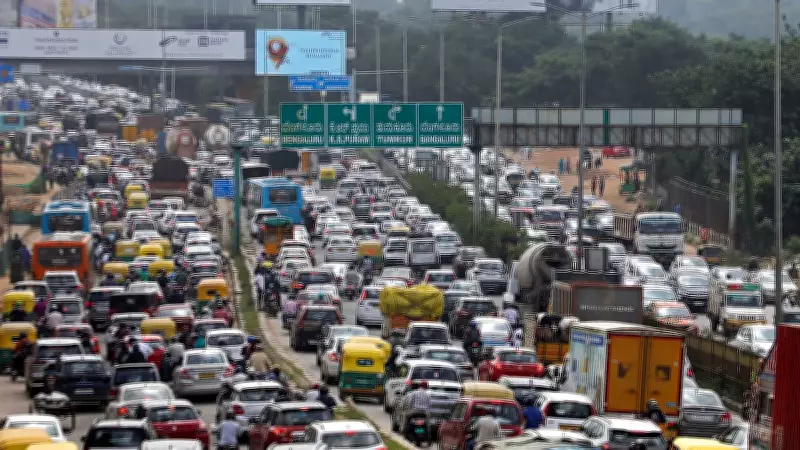
Finance Panel Proposes Congestion Fee for Bengaluru's Busy Roads
A significant recommendation has emerged from a finance commission report, advocating for the implementation of a congestion fee on Bengaluru's heavily trafficked roads. This proposal aims to tackle the city's persistent traffic congestion problems by introducing a financial disincentive for driving during peak hours.
Key Findings from the 200-Page Report
The commission's comprehensive 200-page report delves into various urban financial matters, with the congestion fee suggestion being a standout measure. According to the findings, such a fee could help reduce vehicle density on key routes, potentially improving air quality and commute times for residents.
The report also highlights financial disparities among Bengaluru's municipal corporations. Specifically, it notes that the West and North Corporations are not as financially robust when compared to the three other corporations in the city. This imbalance could impact their ability to fund infrastructure projects or manage local services effectively.

Implications for Urban Mobility and Finance
If adopted, the congestion fee would require drivers to pay a charge for using certain roads during busy periods, similar to systems in cities like London or Singapore. Proponents argue that this could encourage the use of public transportation, carpooling, or off-peak travel, thereby alleviating gridlock.
The financial weaknesses identified in the West and North Corporations raise concerns about equitable resource distribution. These areas might struggle to invest in traffic management solutions or other civic amenities without additional support, potentially exacerbating urban challenges.
Public and Official Reactions
While the report has been submitted, its recommendations are subject to review by local authorities. Public opinion on the congestion fee is likely to be mixed, with some residents welcoming it as a necessary step for better mobility, while others may view it as an added financial burden.
The commission's analysis underscores the need for integrated urban planning that balances traffic control with fiscal health across all city zones. As Bengaluru continues to grow, such measures could play a crucial role in shaping its future sustainability and livability.






