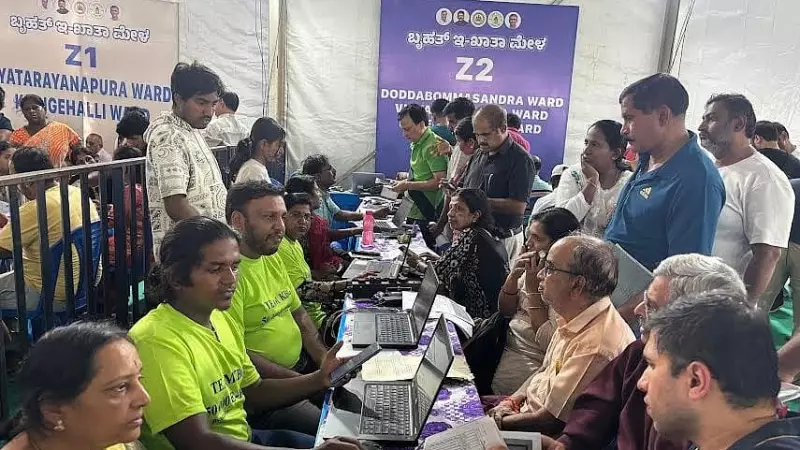
Bengaluru's ambitious push towards digitising urban governance has hit a familiar roadblock. The much-touted e-khata system, designed to streamline property records and bring transparency, is instead becoming a complex obstacle course for citizens. Administrative delays and technological glitches are undermining the core promise of a simplified, user-friendly digital service.
The Digital Vision and Ground Reality
Introduced as a cornerstone of the city's digital transformation, the e-khata platform aimed to replace the cumbersome physical ledger system for property registration. The goal was clear: reduce in-person visits, cut down on red tape, and minimise opportunities for discrepancies or corruption in maintaining land records. However, the transition has been far from smooth. Residents and property owners are encountering a maze of procedural bottlenecks that defeat the very purpose of going digital.
Where the System Stumbles
The challenges are twofold. On the technological front, users report facing an unstable online portal that is often difficult to navigate. Frequent downtime, confusing interfaces, and a lack of clear digital guidance create the first layer of frustration. More critically, the administrative barriers persist. The digital process has not eliminated the need for multiple verifications and approvals from various civic departments, which often operate in silos.

This creates a hybrid system where citizens must still navigate physical offices to get digital work done. The promise of a single-window clearance remains unfulfilled, as back-end coordination between the Bruhat Bengaluru Mahanagara Palike (BBMP) and other authorities is lacking. The result is a process that can be as time-consuming as the old manual method, if not more so, due to the added complexity of managing both online and offline steps.
The Impact on Bengaluru's Citizens
For the common citizen, these failings translate into real-world difficulties. Property transactions, which require updated khata certificates, are getting delayed. Homeowners and prospective buyers find themselves caught in a limbo, unsure of the status of their applications. The situation is particularly acute for those not digitally savvy, who find the new system inaccessible. The e-khata system, instead of being an enabler, risks becoming another hurdle in Bengaluru's complex real estate landscape.
A Call for Streamlined Implementation
The issues plaguing Bengaluru's e-khata rollout highlight a recurring theme in India's digital governance initiatives: the gap between a well-intentioned policy and its on-ground execution. For the system to succeed, a concerted effort is needed to integrate departments, simplify the user journey, and provide robust technical support. Until then, the digital promise of the e-khata will remain overshadowed by its familiar, frustrating failings. The experience serves as a crucial lesson for other cities looking to digitise civic services—technology alone is not a solution without parallel administrative reform.