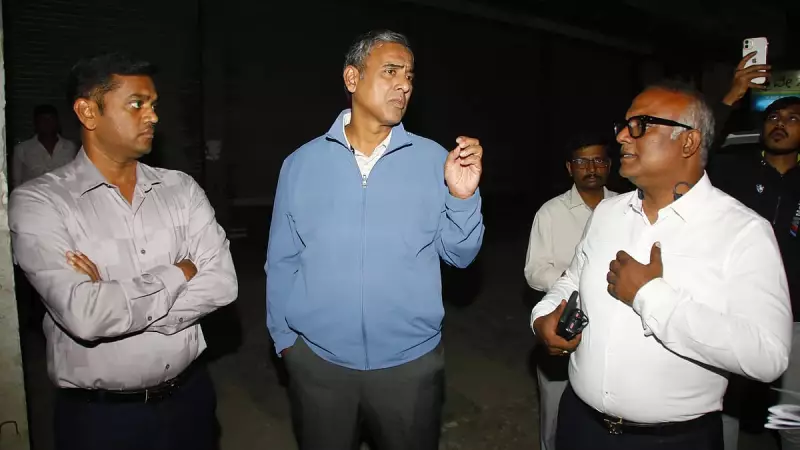
The Chairman of the Guaranteeing Services and Billing Authority (GBA) in Bengaluru has issued a stern warning against the rampant and illegal practice of cutting city roads without proper permission. M Lakshminarayana, who heads the GBA, has declared that severe penal action will be taken against any individuals or agencies found guilty of this offence, which severely damages urban infrastructure and inconveniences citizens.
Strict Directives to Civic Authorities
In a decisive move, Lakshminarayana has instructed the Bruhat Bengaluru Mahanagara Palike (BBMP) to take immediate and stringent measures against unauthorised road cutting. He emphasised that the civic body must not remain a silent spectator while public roads are being dug up illegally. The GBA chief's directive makes it clear that any entity, including government departments and utility service providers, must obtain explicit written permission from the BBMP before initiating any excavation work on roads, footpaths, or public spaces.
The order explicitly states that no road cutting is permitted for laying optical fibre cables, electrical lines, water pipes, or any other utility work without prior approval. This crackdown aims to bring order to the chaotic and often uncoordinated digging that has become a common sight across Bengaluru, leading to terrible traffic snarls, safety hazards for pedestrians, and rapid deterioration of road surfaces.
Consequences and Penalties for Violators
The GBA has outlined concrete penalties for those who flout the rules. Violators will face significant financial consequences and legal action. First-time offenders will be slapped with a hefty fine of Rs 50,000. However, the punishment escalates sharply for repeat offences. Entities caught digging roads without permission for a second time will see the fine double to a staggering Rs 1 lakh.
Beyond monetary fines, the authority has mandated even stricter repercussions. For a third violation, the GBA has instructed the BBMP to register a criminal case against the offending agency or individual. This multi-tiered penalty structure is designed to act as a strong deterrent, moving beyond mere fines to include the threat of criminal charges for habitual offenders.
A Broader Push for Infrastructure Accountability
This directive is not an isolated measure but part of a larger effort to hold all stakeholders accountable for the city's infrastructure. Lakshminarayana has also mandated that all government departments and agencies must apply for road-cutting permissions through the Karnataka Unified Mobile Application for Governance (KUMARA) app's 'Namma Digi' service. This digital process is intended to bring transparency, create a centralised record, and ensure proper oversight.
Furthermore, the GBA chief has reinforced the responsibility of utility providers to restore dug-up roads to their original condition. He warned that failure to properly reinstate the road surface after completing work would also invite strict action from the BBMP. This holistic approach targets the entire lifecycle of road cutting—from unauthorized inception to shoddy restoration—aiming to protect Bengaluru's roads from needless damage and ensure the safety and convenience of its residents.
The move has been welcomed by citizens and urban activists who have long complained about the poor state of Bengaluru's roads, often made worse by incessant and unplanned digging by multiple agencies. The success of this directive will depend heavily on the BBMP's vigilance and willingness to enforce the penalties consistently across all violators, including powerful government departments.