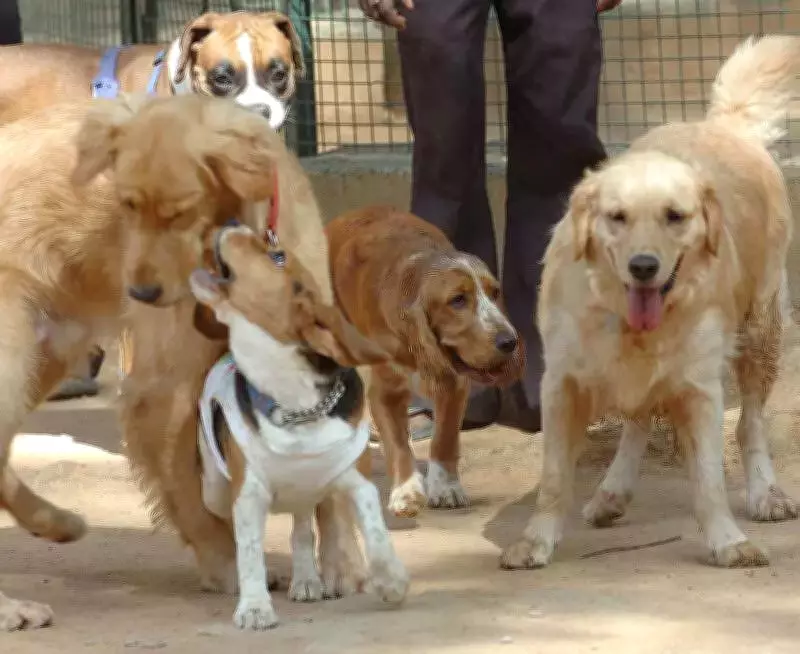
Bengaluru Moves to Regulate Pet Ownership Amid Growing Public Concerns
The Greater Bengaluru Authority (GBA) is taking decisive steps to address mounting complaints about pet dog-related nuisances and safety issues across the city. In a significant policy shift, the authority is actively considering measures to cap the number of pet dogs per household and regulate which breeds are permitted in apartment complexes. This initiative aims to enhance accountability among pet owners while complementing ongoing efforts to manage Bengaluru's stray dog population, which GBA estimates exceeds two lakh animals.
Consultative Approach to Drafting New Pet Regulations
GBA Chief Commissioner M Maheshwar Rao has formally written to the five city commissioners, requesting them to develop detailed rules for pet dog licensing and enforcement. "We wrote to the GBA city commissioners to help them understand the public's concerns regarding dogs and how these can be addressed," Rao explained to TOI. He emphasized that the goal is not to impose blanket restrictions but to create practical, enforceable guidelines through a consultative process that incorporates public feedback and on-ground realities.
Key Proposals Under Consideration
Among the primary proposals being evaluated is a cap on the number of dogs per household. One option under discussion is limiting independent houses to a maximum of three pet dogs. For apartment complexes and other multi-dwelling units, the GBA has directed commissioners to assess whether only less aggressive or more docile breeds should be allowed, given the shared nature of common spaces. Breeds such as German Shepherds, Rottweilers, Dobermanns, and certain Hound varieties are specifically under review for potential restrictions in apartment settings.

However, the framework may include exceptions. "Special consideration may be given to rescued, adopted, and native Indian breeds, subject to verification by veterinary authorities," noted a senior GBA official from the animal husbandry department.
Comprehensive Licensing and Enforcement Framework
The draft regulations propose a robust system of mandatory pet dog licensing with annual renewals and graded licence fees based on the dog's category. Key components include:
- Compulsory microchipping for all pet dogs
- Vaccination certification from registered veterinarians
- Mandatory sterilisation for dogs over 12 months, unless medically exempted
Enforcement measures under consideration include penalties for unlicensed dogs, fines for bylaw violations, and clear procedures for handling seized or abandoned pets. Veterinary officers may receive expanded authority to conduct inspections, verify licences, and respond to animal welfare complaints. Civic officials stress that this initiative seeks to balance public safety with animal welfare, in alignment with the Prevention of Cruelty to Animals Act-1960.
Timeline and Implementation Process
The five city commissioners have been instructed to consult with residents, evaluate administrative feasibility, and submit their recommendations within one week. "Based on their inputs, we will finalise and notify the pet licensing framework and propose it to the state government," stated Rao. This structured approach ensures that local perspectives shape the final regulations before they advance to higher authorities for approval.
Detailed Requirements and Penalties
The proposed framework outlines specific requirements and consequences for non-compliance:

- Mandatory rabies vaccination for all pet dogs with certification from a registered veterinarian
- Pet owners must install microchips for their dogs at their own expense
- Dogs must be kept in a manner that does not inconvenience neighbours
- Independent houses cannot keep more than three dogs; excess animals may be seized and sent to animal shelters
- Dogs must be kept in accordance with municipal bylaws, with legal action for violations
- If a pet dog goes missing and is seized by authorities, owners must pay a fine to reclaim it (Rs 1,000 if reclaimed within 72 hours; thereafter Rs 200 per day). Unclaimed dogs will be handed over to animal welfare organisations
- Dogs must be leashed while being walked in public areas
- Owners must clean up after their dogs in public spaces
- Banned breeds will not be permitted in public areas
This comprehensive regulatory effort represents Bengaluru's proactive response to growing urban challenges related to pet ownership, aiming to create safer, more harmonious communities for both residents and animals.