

Bengaluru Faces Major Sanitation Crisis as Waste Collection Halts in 50 Wards
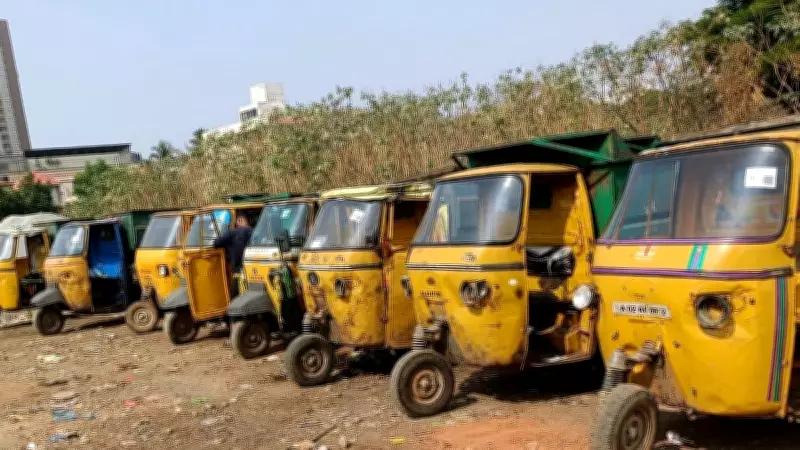
In a significant development impacting public health and civic services, waste collection operations have been severely disrupted across 50 wards of Bengaluru after sanitation workers embarked on a mass leave protest. The widespread absence of workers has left residential and commercial areas grappling with mounting piles of uncollected garbage, raising serious concerns about hygiene and environmental pollution in India's tech capital.
Root Cause: Dispute Over Waste Segregation Responsibilities
The crisis stems from an ongoing fundamental disagreement between different stakeholders in the city's waste management chain. The Bruhat Bengaluru Mahanagara Palike (BBMP) Solid Waste Management Limited (BSWML) has been insisting on improved segregation of waste at the source—meaning households and businesses must separate dry, wet, and hazardous waste before disposal. However, private contractors responsible for waste collection have countered this stance, arguing that segregation is primarily the responsibility of the waste producer, not the collector.
This deadlock has created operational confusion and frustration among sanitation workers, who ultimately decided to protest through coordinated mass leave. The contractors maintain that without proper segregation at the source, their collection efficiency is compromised, leading to increased costs and logistical challenges. Meanwhile, the BSWML emphasizes that source segregation is crucial for effective waste processing and recycling, aligning with broader environmental goals.

Immediate Impact and Public Response
The immediate consequence of the worker absence is a complete or partial halt of waste collection services in affected wards. Residents have reported overflowing bins, littered streets, and unpleasant odors, with many expressing anxiety about potential health hazards. Local authorities are scrambling to address the situation, but the scale of the disruption—spanning 50 wards—presents a formidable challenge.
Community groups and resident welfare associations have called for urgent intervention from civic bodies to resolve the dispute and restore normal services. Some have also highlighted the need for clearer guidelines and public awareness campaigns on waste segregation practices to prevent such crises in the future.
Broader Implications for Urban Waste Management
This incident underscores the complexities of urban waste management in rapidly growing cities like Bengaluru. It brings to light several critical issues:
- The need for well-defined roles and responsibilities among all stakeholders—citizens, contractors, and municipal authorities.
- The importance of consistent enforcement of waste segregation policies to ensure operational efficiency.
- The vulnerability of public services to labor disputes and the necessity of contingency plans.
As Bengaluru continues to expand, effective waste management remains a pivotal aspect of sustainable urban development. The current crisis serves as a stark reminder that collaboration and clear communication are essential to maintaining essential civic amenities.
Authorities are expected to engage in discussions with worker representatives and contractors to find a swift resolution. Until then, residents in the affected wards are advised to minimize waste generation and adhere to segregation guidelines as much as possible to mitigate the impact.






