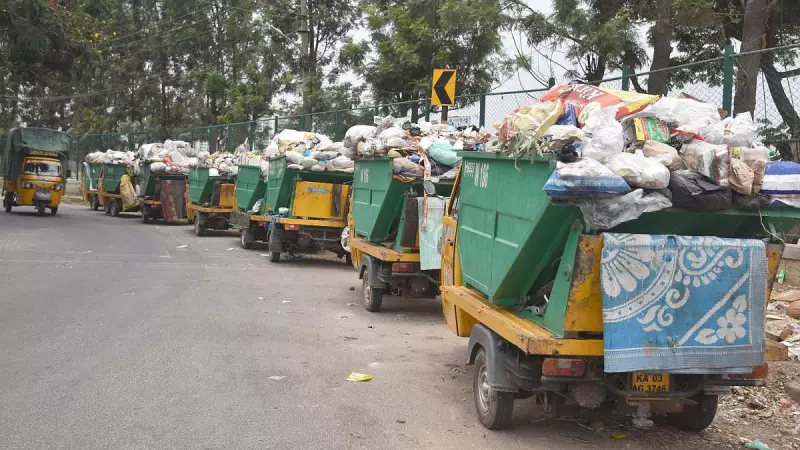
Bengaluru has initiated a critical new tender process for its solid waste management, aiming to overhaul a system historically plagued by deep-rooted corruption and inefficiency. The move comes as a direct response to a legacy of scams that have burdened the city's finances and environment for years.
A History Littered With Scandals
The narrative of waste management in India's tech capital is unfortunately not just about garbage collection. It is a chronicle of systematic fraud. For a long time, the system has been manipulated by a powerful nexus involving contractors and local politicians. This collaboration has shielded various malpractices, draining public funds and hampering genuine sanitation efforts.
Investigations and audits have repeatedly uncovered three major types of fraud. The first involves 'ghost workers' – non-existent labourers whose salaries are pocketed by contractors. The second scam revolves around fake vehicle trips, where bills are generated for collection runs that never happened. The third and perhaps most brazen is the inflation of tonnage, where the actual amount of waste collected is grossly exaggerated on paper to claim higher payments.
The New Tender: A Framework for Change
The fresh tender, announced recently, is designed with stricter controls and transparency measures to prevent these historical issues. The Bruhat Bengaluru Mahanagara Palike (BBMP) hopes this will mark a turning point. The conditions now apply more rigorously, focusing on GPS-enabled vehicle tracking, biometric attendance for workers, and third-party verification of waste tonnage.
However, experts and civic activists warn that the tender document alone cannot guarantee a cleanup. The real test will be in its implementation and the political will to break the entrenched nexus. The success of this initiative hinges on robust monitoring and zero tolerance for the old patterns of collusion that have made Bengaluru's waste management a byword for scandal.
What Lies Ahead for the City?
The stakes are high for Bengaluru. An efficient waste management system is not just a civic amenity but a critical component of public health, environmental sustainability, and urban livability. The new tender, dated for early 2026, represents a necessary intervention. Yet, the city's residents have heard promises of reform before.
The path forward requires unwavering vigilance from citizens and civil society groups. While the tender sets the stage, continuous public scrutiny and demand for accountability will be the ultimate tools to ensure that this cleanup drive does not become another missed opportunity in the city's troubled waste management history.