Bengaluru's Trash-to-Cash Model Delivers Financial and Environmental Gains
In a significant breakthrough for urban sustainability, Bengaluru Solid Waste Management Ltd (BSWML) is already seeing substantial benefits from its innovative "turning trash to cash" initiative, launched less than two months ago. By effectively monetizing non-recyclable plastic waste, the agency has not only unlocked a new revenue stream but also advanced toward a self-sustaining operational model, marking a pivotal step in waste management.
EPR Credits Drive Revenue and Environmental Impact
Between December 2025 and January 2026, BSWML secured an impressive 3,600 Extended Producer Responsibility (EPR) credits for processing plastic waste. These credits, submitted by Dalmia Cement Ltd under the Plastic Waste Management Rules for Producers, Importers, and Brand Owners (PIBOs), are a cornerstone of the agency's strategy to transform low-value, hard-to-recycle plastics into financial assets. Based on current market valuations, these credits are projected to generate revenue ranging from Rs 54 lakh to Rs 1.8 crore for BSWML.
Officials emphasized that monetizing these credits does more than just bolster the agency's finances; it ensures the environmentally sound disposal of plastic waste, aligning with broader ecological goals.

Surge in Waste Segregation Fuels Success
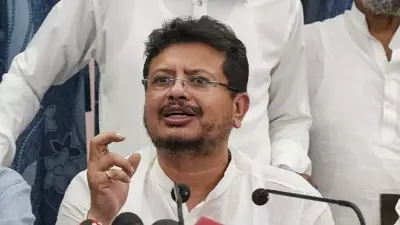
The remarkable gains are largely attributed to a sharp increase in segregation at source, driven by sustained information, awareness, education, and communication (IEC) campaigns conducted by civic workers and volunteers across Bengaluru. Karigowda, IAS, CEO of BSWML, highlighted the transformation: "Prior to October 2025, daily collection of low-value plastics was around 10 metric tonnes (MT). After targeted behavioural change initiatives and campaigns, this quantity surged 50-fold, with 520 MT of Refuse Derived Fuel (RDF) now collected daily."
From October 9, 2025, to February 26, 2026, Bengaluru accumulated 19,470 MT of RDF. Of this, approximately 18,625 MT, sourced between December 15, 2025, and February 26, 2026, was transported under a tender agreement to Dalmia Cement's plant in Kadapa district, Andhra Pradesh, located about 250 km from the city. The initiative officially commenced on December 15, with 160 tonnes of waste dispatched on the first day. The cement plant has a capacity to handle up to 1,000 tonnes of RDF daily, offering operational flexibility as segregation efforts continue to improve.
Building a Financially Sustainable System
When the initiative was launched in December 2025, Bengaluru was generating approximately 6,000 tonnes of solid waste daily, including 350–400 tonnes of low-value plastic. Initially, 100–150 tonnes of RDF were sent to the waste-to-energy plant near Bidadi for power generation, while 200–250 tonnes were transported to Kadapa for co-processing. Officials reported that daily dispatches to the cement plant have now stabilized at 250–300 tonnes per day, significantly exceeding the capacity of the Bidadi plant operated by Karnataka Power Corporation Limited (KPCL).
The EPR mechanism is central to the model's success. For every tonne of plastic co-processed, one EPR credit—valued at Rs 2,500—is generated. With transportation costs estimated at Rs 1,500 per tonne, BSWML earns a net surplus of roughly Rs 1,000 per tonne, reinforcing the financial viability of the system.
This initiative not only addresses waste management challenges but also sets a precedent for other cities aiming to achieve sustainability through innovative economic models.