Completed Railway Station in Bhopal Remains Unopened for Three Years
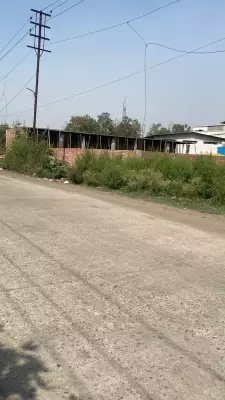
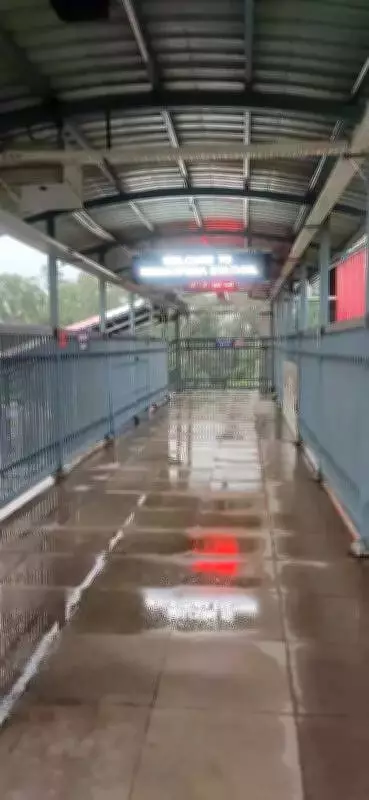
In a puzzling development that highlights potential inefficiencies in railway infrastructure management, Nishatpura railway station in the Bhopal division stands completed but completely unused three years after construction finished. This situation represents a significant waste of public resources and raises serious questions about planning and coordination within the railway system.
Substantial Investment Without Operational Return
Approximately Rs 6 crore was spent on constructing this railway station, which now sits idle despite being fully built and apparently ready for operations. Unlike many delayed infrastructure projects that remain incomplete, Nishatpura station presents the unusual case of a finished facility that has simply been excluded from the active railway network without clear justification.
The station has not seen a single passenger service since completion, with no regular operations initiated despite the passage of three full years. Railway projects typically follow a logical progression from construction to inspection, approvals, and finally operational launch, but in this instance, the final crucial step has been inexplicably omitted.

Official Confusion and Lack of Clarity
What makes this situation particularly concerning is the apparent confusion even among railway officials responsible for the region. Local railway authorities, who would normally possess detailed knowledge about such projects, reportedly have no definitive answers regarding the station's continued closure.
A senior official, speaking anonymously, stated plainly: "We have no idea about it." This admission reveals a troubling disconnect between different levels of railway administration, with ground-level officials claiming they have received no clear directives from higher authorities regarding when or why the station should be opened.
When contacted for clarification, PRO Bhopal division Nawal Agarwal offered a somewhat hopeful but vague response: "We have done all preparations. Station will be opening soon." However, this statement provides little concrete information about the specific reasons for the prolonged delay or a definitive timeline for operationalization.
Multiple Potential Causes Remain Unexplained
The continued closure raises numerous questions about what might be preventing the station from becoming operational:
- Administrative approvals that may be pending at higher levels
- Operational priorities within the broader railway network
- Safety clearances or certifications that might be required
- Staffing decisions or resource allocation issues
- Broader policy considerations affecting station operations
Despite these obvious possibilities, railway authorities have not publicly clarified which factors are actually responsible for keeping the station closed to passengers.
Impact on Community and Railway System
For local residents and regular rail users, the unused station represents a missed opportunity for improved connectivity and enhanced convenience. A functional railway station in Nishatpura could potentially reduce travel times, provide better access to transportation networks, and stimulate local economic activity.
For the railway system itself, this situation reflects poorly on asset management practices. A completed station that generates no operational return represents both a financial loss and a failure to deliver promised public utility. The investment of Rs 6 crore remains unproductive while the infrastructure gradually deteriorates without proper maintenance and use.
Broader Implications for Infrastructure Development
This case highlights potential systemic issues in how railway projects are managed from conception through to operation. The disconnect between construction completion and operational launch suggests possible gaps in:

- Project planning and coordination between different departments
- Communication channels between various levels of railway administration
- Clear accountability for ensuring completed projects become operational
- Public transparency regarding project status and timelines
Until higher authorities provide a definitive decision and clear timeline, Nishatpura station will remain what it has been for three years: a finished project waiting for an opening that no one at the local level can adequately explain. The situation serves as a cautionary example of how infrastructure development can stall at the final hurdle, leaving communities without promised services and public funds without productive returns.