

The recent water contamination crisis in Indore has cast a harsh spotlight on the critical need for robust, real-time monitoring systems in urban India. This urgent requirement was supposed to be met in Bhopal by an ambitious Supervisory Control and Data Acquisition (SCADA) project, first proposed under the Smart City initiative back in 2017. Conceived as a digital safeguard, the system was designed to prevent disasters through instant alerts and constant surveillance. However, nearly a decade later, the promises of this transformative project remain largely unfulfilled, leaving the city vulnerable.
The Unfinished Promise of Smart Water Management
Envisioned as a cornerstone of Bhopal's smart city upgrade, the SCADA project was pitched as a game-changer for urban water management. Its core promises included remote, real-time monitoring of water flow, pressure, energy consumption, and most crucially, water quality. The system was designed to instantly flag deviations, detect leaks, reduce non-revenue water loss, and enable proactive maintenance of assets. In short, it aimed to replace reactive crisis management with intelligent, preventive control.
Officials from the Bhopal Municipal Corporation (BMC) currently state that 162 of the city's 173 overhead tanks have been connected to the SCADA network. Despite this progress, the crucial first phase of the project is still incomplete. The delay means the integrated, city-wide smart water grid that was promised is not yet operational, undermining its core purpose of providing a unified safety net.

Safety Gaps Exposed by the Idgah Hills Incident
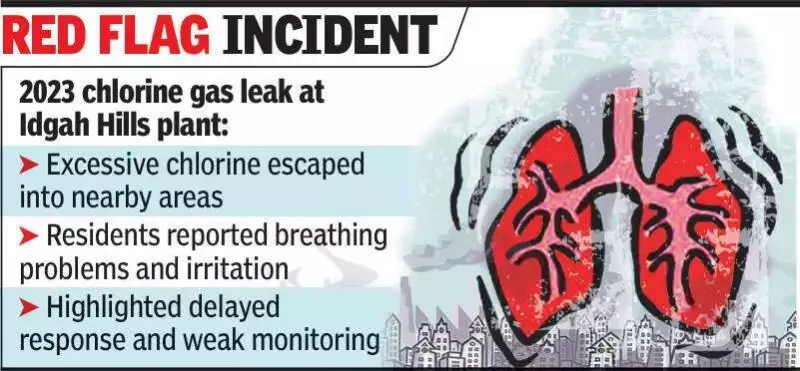
The consequences of these delays were starkly revealed during a disturbing incident in 2023. A chlorine gas leak occurred at the Idgah Hills water filtration plant, causing panic among nearby residents. The incident happened when excessive levels of chlorine, used for disinfecting water, escaped into the surrounding area. This event raised serious questions about the existing safety protocols and control mechanisms at vital water infrastructure.
This episode directly highlighted the absence of the very systems the SCADA project was meant to install: real-time water quality monitoring and proactive control mechanisms. Had a fully functional SCADA system been in place, deviations in chemical levels could have been detected instantly and potentially corrected before leading to a hazardous leak, thereby ensuring public safety.
Collapsed Citizen Engagement and the Road Ahead
The fallout from the stalled project extends beyond infrastructure. The proposed citizen engagement component, which was meant to be facilitated through the 'Bhopal Plus' mobile application, has also collapsed. The app is now defunct, cutting off a promised direct channel for residents to interact with smart city services and receive important updates.
The juxtaposition of Bhopal's unfinished digital safeguards with Indore's recent water crisis serves as a powerful warning. It underscores a pressing need for accountability and accelerated execution of critical infrastructure projects. The continued reliance on outdated monitoring methods leaves urban populations exposed to preventable public health risks. For the average resident of Bhopal, the smart city vision, with its promise of safer, efficiently managed water, remains a distant reality, highlighting a significant gap between urban planning and on-ground implementation.






