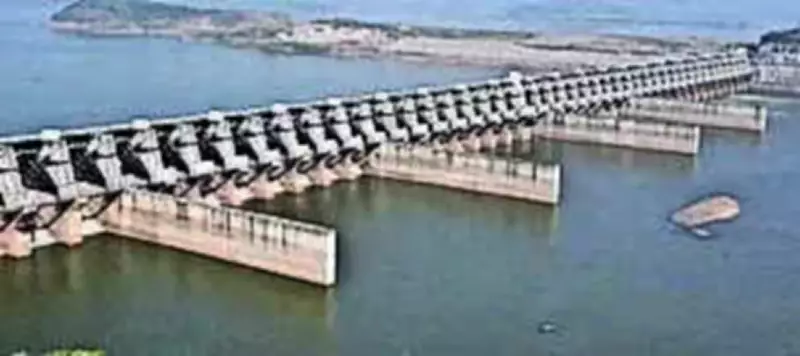
The Central government has taken a decisive step to accelerate the Polavaram national irrigation project by assigning two key agencies for stringent monitoring of execution and quality control. The move aims to ensure timely completion of critical components within revised timelines.
Enhanced Supervision Mechanism
The Jal Shakti ministry has entrusted Water and Power Consultancy Services (Wapcos) with preparing a comprehensive action plan and continuously monitoring works at the project site. Wapcos officials will conduct regular reviews, assess progress of civil works, and coordinate with the Polavaram Project Authority (PPA), state water resources department, and contract agencies to adhere to central schedules.
Additionally, the Central Soil and Materials Research Station (CSMRS) has been directed to conduct periodic quality inspections, including technical evaluations and verification of construction activities against prescribed engineering standards and safety norms. Frequent inspections will focus on the diaphragm wall, spillway, and rehabilitation-related structures to prevent quality compromises.

Addressing Past Delays
The project has faced repeated setbacks due to technical, financial, and rehabilitation issues. The enhanced supervision aims to improve coordination between the Centre, state government, and executing agencies. Jal Shakti ministry secretary VL Kantha Rao directed Wapcos to prepare a detailed roadmap identifying priority works, bottlenecks, and monthly targets. Regular status reports will be submitted to the ministry for real-time national-level monitoring, covering head works, earth-cum-rockfill dam works, spill channel components, and rehabilitation measures for displaced families.
Focus on Rehabilitation
Wapcos has been tasked with implementing the Rehabilitation and Resettlement (R&R) package for project oustees. Kantha Rao instructed officials to finalize timelines for R&R works based on a report from the state rehabilitation commissioner. A senior official stated, “Wapcos has been directed to not only ready the plan and monitor, but also come out with remedies for the bottlenecks on real-time basis.”
Quality Assurance Measures
CSMRS teams will conduct frequent field visits, material testing, structural assessments, and stability analyses to ensure durability and long-term safety. These inspections are crucial given past concerns over construction quality and technical compliance. Quality checks will be mandatory at least twice a month, according to sources.
The Centre’s intervention is seen as a major step to streamline execution and ensure accountability among agencies. With institutionalized monitoring and quality audits, officials expect construction pace to improve significantly in the coming months.