Technology-Driven Traffic Enforcement: The Rise of Speed Cameras
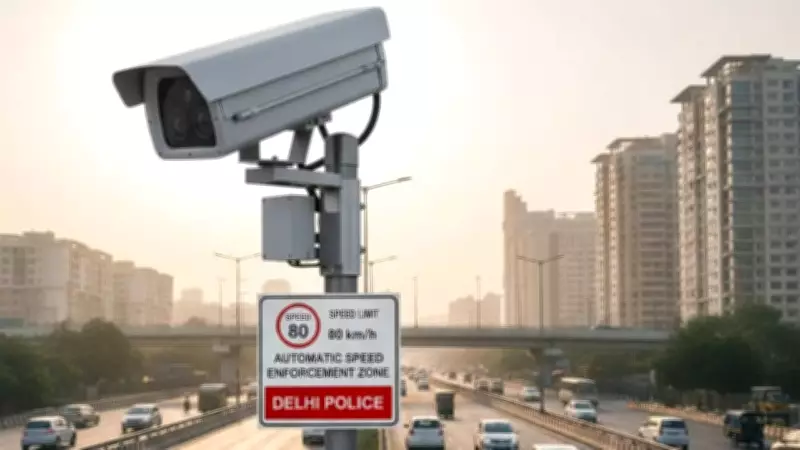
In recent years, traffic enforcement authorities across the nation have increasingly adopted advanced technological solutions to monitor and regulate road safety. Among these innovations, automated speed cameras have become a ubiquitous feature on highways and within bustling urban corridors. These sophisticated systems operate autonomously, capturing violations the instant a vehicle exceeds the prescribed speed limit.
Proactive Methods to Verify Pending Speed Camera Fines
While many drivers receive direct notifications via SMS or email linked to their vehicle registration details—providing essential information such as the date, time, location, and fine amount of the offence—these alerts are not infallible. Delays or missed communications can occur, making it prudent to adopt a more dependable approach.
The most authoritative and reliable resource for checking pending fines is the government's official e-challan portal. By accessing the Parivahan e-challan website, vehicle owners can effortlessly search for any outstanding challans associated with their vehicle. The process is straightforward: simply input the vehicle registration number along with either the chassis number or the engine number. Upon logging in, the portal displays a comprehensive list of all active challans, including those generated by speed cameras.

In addition to the central Parivahan system, numerous states have developed their own dedicated traffic police websites and mobile applications. For instance, regions like Delhi, Maharashtra, and Karnataka offer localized platforms that enable users to monitor and settle challans. These state-specific portals generally synchronize with the central database, though in certain instances, local violations may be updated more promptly.
Efficient Procedures to Settle Speed Camera Fines
Once a speed camera challan is identified, timely payment is crucial to avoid further penalties. The e-challan portal facilitates online payments through multiple secure channels, including debit cards, credit cards, and net banking. Furthermore, popular digital payment applications such as Paytm and Google Pay support traffic challan payments in several states, offering added convenience.
Upon successful transaction completion, a digital receipt is generated. It is highly recommended to retain this receipt for future reference. In cases where a challan is believed to have been issued erroneously, many states provide an option to dispute the fine via the e-challan portal. This typically involves submitting an online request or contacting the local traffic police office with pertinent details to seek resolution.