Chennai's Multi-Crore Public Infrastructure Projects Face Severe Underutilization
Launched with significant fanfare and constructed at costs running into several hundred crores of rupees, a series of high-value public infrastructure projects across Chennai remain critically underutilized years after their official inaugurations. These projects, which include major transport facilities and specialized trade centers, have reported minimal usage primarily due to poor enforcement in relocating stakeholders and substantial delays in operational decision-making.
Transport Department Headquarters: A Ghost Building
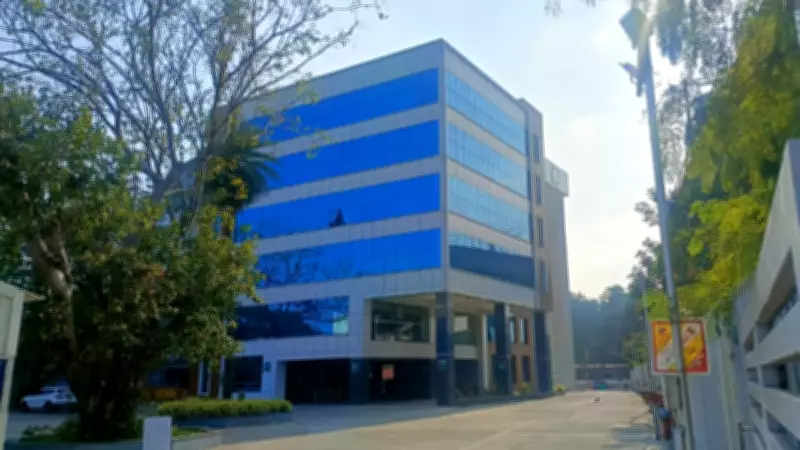
The transport department headquarters in Guindy stands as a prominent example of this troubling trend. Inaugurated twice in 2025—first by Deputy Chief Minister Udhayanidhi Stalin and subsequently by Transport Minister S S Shivashankar—the building now features multiple vacant floors with numerous rooms permanently locked. A recent inspection revealed an abandoned reception desk on the first floor, while designated spaces for the assistant secretary, library, and conference hall remain completely unused. Several rooms on the third floor were found locked, and the promised road safety museum on the fifth floor has yet to materialize.
Officials acknowledge that numerous staff members have not yet shifted from their previous office at Ezhilagam. The department has failed to appoint consultants for critical offices, including the World Bank lead team agency, while private bus enforcement teams await formal appointment. Joint Commissioner (Enforcement) Pattapasamy confirmed that efforts are ongoing to relocate remaining staff and finalize consultant appointments. The building's parking area remains largely deserted, further highlighting the facility's underuse.

Specialized Centers: Empty Kennels and Deserted Corridors
A few kilometers away, the Rs 5-crore native dog breeding center in Saidapet, inaugurated by Udhayanidhi Stalin last year, remains completely non-functional. All fifty-one kennels stand locked as the animal husbandry department only recently initiated the process of procuring pedigree dogs.
Similarly, the Rs 53-crore ornamental fish trade center in Kolathur, designed to streamline the Rs 300-crore ornamental fish trade, houses 188 shops. While 151 shops have been officially allotted, fewer than ten are currently operational, leaving most shutters down and corridors largely deserted. R Rajarajan, state president of the Tamil Nadu Aquarium Fish Breeders and Sellers' Welfare Association, explained that traders find the rent prohibitively steep compared to existing market rates. "We operate similar-sized shops in Kolathur for Rs 10,000 monthly. If the government reduces rent by twenty percent, all shops would be occupied within three months," he stated.
Transport Terminals: Operational Delays and Revenue Losses
On the transport front, the government has yet to enforce the shift of private-bus operators from Koyambedu to the new Mudichur terminus located outside the city. This delay has contributed to persistent traffic congestion around Koyambedu while leaving the new operator, RR Agency, facing substantial monthly revenue losses estimated at Rs 6.75 lakh. Each private bus parked at the terminus must pay Rs 150 daily, but with only twenty buses currently utilizing the facility instead of the full capacity of 150, revenue has plummeted.
"If we achieve full capacity utilization, we would generate Rs 6.75 lakh monthly. Currently, we receive approximately Rs 80,000, of which Rs 60,000 goes toward salaries alone. The dormitories and lunch hall also remain completely unused," explained Raghunathan Jayakumar, proprietor of the operating firm. The transport department's joint commissioner noted that previous shifts from Broadway to Koyambedu took years to complete, suggesting similar timelines for current transitions.

Commercial Complexes: Locked Facilities Await Decisions
The Ambattur bus terminal commercial complex, upgraded at a cost of Rs 11.8 crore and inaugurated in November 2025, presents another case of underutilization. While buses continue operating from the terminal and depot, large portions of the complex—including shops, staff rooms, and public amenities—remain locked. CMDA Member Secretary G Prakash attributed the delay to pending operation and maintenance decisions, stating, "Construction was completed. The operation and maintenance model is being finalized. A tender was floated, and the contract is expected to be awarded soon."
These examples collectively illustrate a systemic pattern where substantial public investments in infrastructure are failing to deliver intended benefits due to administrative inefficiencies, poor stakeholder coordination, and delayed operational implementation. The continued underutilization represents both a waste of public resources and a missed opportunity for urban development and service improvement in India's major metropolitan centers.