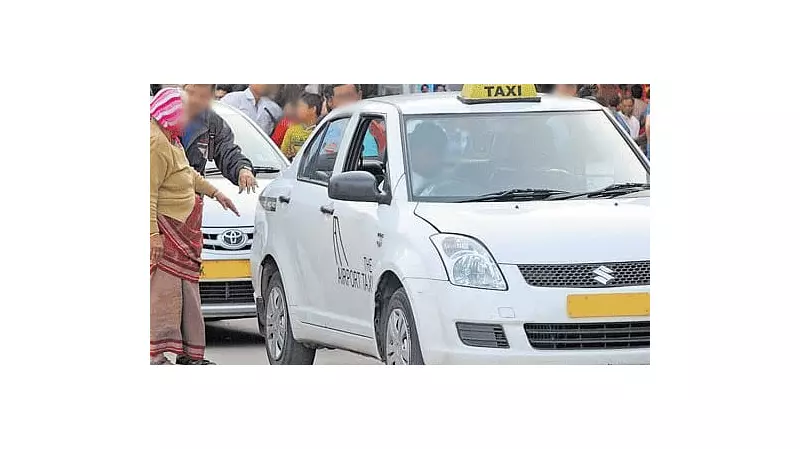
In a significant move aimed at tackling the twin challenges of air pollution and traffic gridlock, the Delhi government is actively considering the revival of shared taxi services on key routes across the capital. This initiative seeks to reduce the number of private vehicles on the road, thereby curbing emissions and easing congestion.
Reviving a Sustainable Commute Model
The proposal involves permitting taxis to carry multiple passengers traveling along similar routes for a shared fare. This model, which was operational in the past, is seen as a practical solution to promote shared mobility. The primary objective is to decrease the total number of vehicles on Delhi's roads, which is a major contributor to the city's notorious air pollution levels and chronic traffic jams.
Officials believe that by making shared rides a formal and convenient option, more commuters might opt out of using their personal cars or booking solo cab rides. This aligns with broader environmental goals for the National Capital Region (NCR), which frequently faces public health emergencies due to poor air quality, especially during the winter months.
Focus on High-Density Corridors
The scheme is likely to be initially implemented on high-density corridors and routes that see heavy daily commuter traffic. Key areas connecting Delhi to the satellite cities of Gurugram and Noida are under primary consideration, as these stretches witness massive vehicular movement daily, leading to long snarls and heightened pollution.
By formalizing shared taxi services on these routes, the government aims to provide a reliable, cost-effective, and eco-friendly alternative to the public. It would also complement the existing public transport network, including the Delhi Metro and bus services, offering last-mile connectivity and a more comfortable option for many.
A Multi-Pronged Attack on Pollution
This move is not an isolated measure but part of a larger suite of actions the Delhi government has been exploring to improve air quality. The city has previously experimented with odd-even vehicle rationing schemes, promoted electric vehicles (EVs) through subsidies, and enforced bans on older, polluting vehicles.
The revival of shared taxi rides adds a behavioral and systemic layer to this fight. It targets the root cause of having too many vehicles carrying too few people. If successfully implemented, it could lead to a measurable reduction in particulate matter (PM) and nitrogen oxide (NOx) emissions from the transport sector.
The success of this initiative will hinge on effective implementation, clear regulations for fare sharing and passenger safety, and widespread awareness campaigns to encourage public adoption. The government will need to work closely with taxi aggregators and driver unions to design a framework that is beneficial for all stakeholders—commuters, drivers, and the city's environment.
As Delhi continues its battle for cleaner air and smoother traffic, the potential return of shared taxis represents a pragmatic step towards a more sustainable urban transport ecosystem. The coming months will be crucial in determining how this policy is shaped and rolled out to the public.