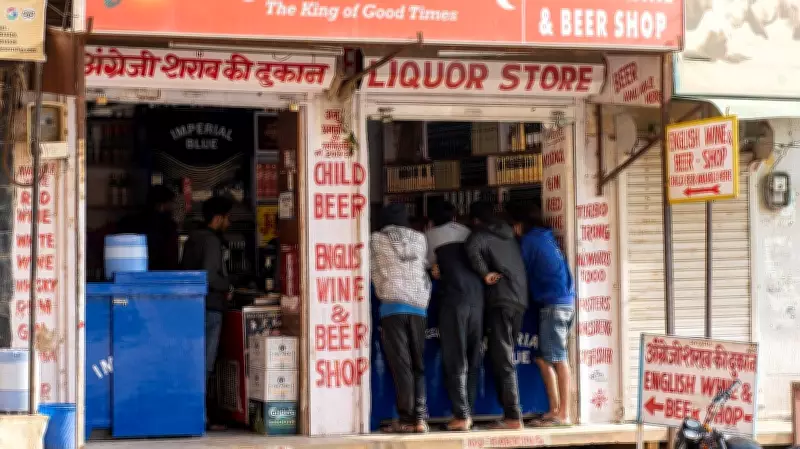
Delhi's Holi Celebrations to Include Alcohol Sales as Liquor Shops Stay Open
In a departure from traditional dry day observances, liquor shops across the national capital of Delhi will remain operational during the upcoming Holi festival. This decision stems from an official order issued in January 2026, which has strictly limited the number of dry days for the first quarter of the year.
Limited Dry Days Until March End
According to the detailed government directive, only five specific occasions have been designated as dry days until the conclusion of March 2026. These include Republic Day, Maha Shivratri, Id-ul-Fitr, Ram Navami, and Mahavir Jayanti. Notably, Holi is absent from this list, thereby permitting the sale and consumption of alcohol during the vibrant festival of colors.
Impact on Festival Celebrations and Retail Operations
The move is expected to influence Holi celebrations significantly, allowing residents and visitors to purchase liquor legally from authorized shops. This contrasts with previous years where broader dry day policies might have restricted access. Retailers and hospitality sectors are anticipated to benefit from increased sales, as the festival typically sees heightened social gatherings and parties.

The order, which was last updated on March 3, 2026, at 15:59 IST, clarifies the regulatory framework for alcohol sales in Delhi. By specifying only these five dry days, authorities aim to streamline enforcement while accommodating cultural and religious observances without extending restrictions to all major festivals.
Public and Administrative Reactions
This development has sparked discussions among various stakeholders. Some community groups welcome the clarity and limited scope of dry days, arguing it supports personal freedom and economic activity. Others express concerns about potential overindulgence during Holi, advocating for stricter controls to ensure public safety and respect for traditional values.
From an administrative perspective, the order simplifies compliance for liquor vendors, who can now plan their inventory and operations around a predictable schedule. It also reduces confusion among consumers regarding availability during festive periods.
Broader Implications for Delhi's Alcohol Policy
The decision reflects a nuanced approach to alcohol regulation in Delhi, balancing religious sensitivities with commercial interests. By excluding Holi from the dry day list, policymakers acknowledge the festival's secular and celebratory nature, while still honoring key religious events through restrictions.
As Holi approaches, residents are advised to celebrate responsibly, with authorities likely to increase monitoring to prevent any misuse or disorderly conduct. The order sets a precedent for future festival seasons, potentially influencing how other states and union territories design their dry day calendars.