

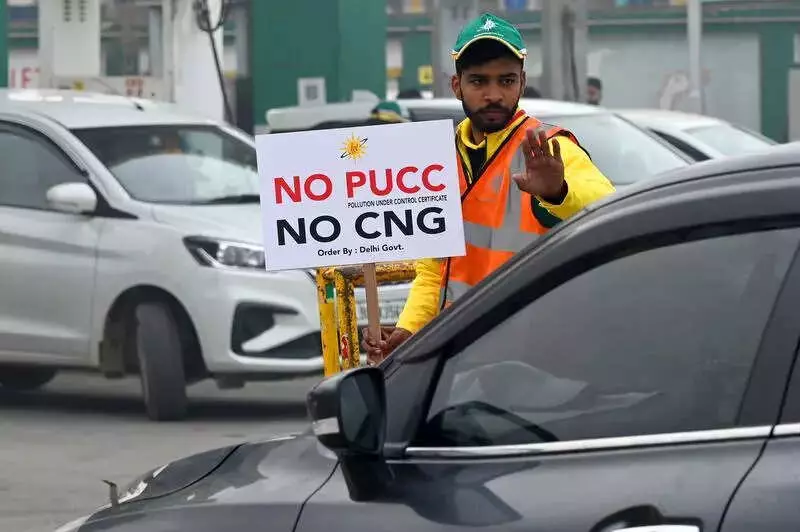
In a stringent move to combat the capital's persistent air pollution crisis, authorities in Delhi have extended enforcement measures directly to petrol pump forecourts. Vehicles found without a valid Pollution Under Control (PUC) certificate are now being systematically denied fuel, turning refuelling stations into active checkpoints.
Uneven Implementation Across the City
The drive combines technology and manual checks, though its application has been inconsistent. At the IP Estate petrol pump, officials are using cameras integrated with an alarm system that triggers when a vehicle violating norms is detected. Bablu, a staff member, confirmed the automated system's operation.
However, in other busy areas like Connaught Place and Ghazipur, the technological component appears to be faltering. Employees there are relying solely on manual verification, with reports indicating the installed cameras are non-functional. Petrol pump staff acknowledged the potential for revenue loss due to these checks but stressed the critical importance of the initiative for public health.

Motorist Frustration and Daily Disruptions
The strict enforcement has led to visible frustration among Delhi's drivers. Praveen Kumar experienced this firsthand when he was refused fuel for not carrying a physical copy of his PUC, despite having the certificate renewed. "I just got my PUC done, but there's no network to pull it up online. Now, I'll be late to pick up a relative," he lamented. His story was echoed by several two-wheeler owners.
The impact on daily life was starkly illustrated by Amit, a 41-year-old resident of Kalyanpuri. On his way to collect his children from school, he was turned away from the Ghazipur CNG pump and forced to return home for his documents. "I have them at home. I know I should have kept them in the vehicle, but I forgot. Now I'm stuck with my daughter at school," he said.
Calls for Digital Solutions and Expert Opinion
Many affected individuals called for a more streamlined, digital approach. Mukesh, an autorickshaw driver, advocated for mandatory digital verification at all points to ease the process. Transport expert Anil Chhikara supported the rule's intent, suggesting it should be a year-round measure, provided the public receives adequate and prior information.
The enforcement ripple effect is evident at PUC centres, which have seen a surge in visitors. Manoj Kumar Sharma, a worker at the IP Estate centre, noted a significant 40% increase in people coming for vehicle checks over two days. Meanwhile, newcomers like Kasim, a 25-year-old milk supplier in Ghazipur, found themselves unaware of the rules, highlighting a need for broader awareness campaigns.
Petrol Pump Staff Bear the Brunt
The frontline implementers of this policy—petrol pump employees—have faced significant challenges, including verbal abuse from angry motorists. One woman staffer in Ghazipur, speaking anonymously, revealed the disrespect they encounter: "The motorists tell us to just focus on our job and call this process drama. It feels insulting." Another employee admitted that aggressive behaviour has made them fearful of asking for documents, even as they understand the necessity of the checks given Delhi's severe pollution levels.
This multi-pronged crackdown underscores Delhi's desperate battle for cleaner air, placing the onus of compliance directly on vehicle owners at the point of refuelling, with mixed results in execution and public reception.






