The Delhi government has announced a major plan to completely revamp the capital's dysfunctional water billing system. This comes after a shocking revelation that a majority of consumers under the Delhi Jal Board (DJB) are not receiving their water bills at all.
Widespread Billing Failure and Planned Overhaul
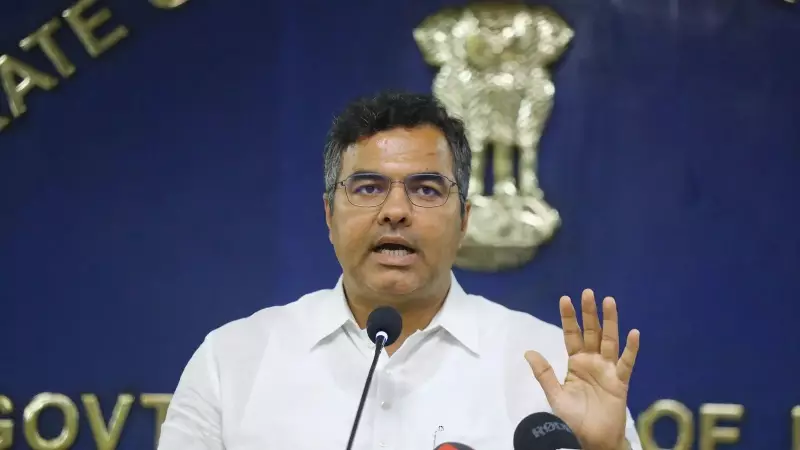
Water Minister Parvesh Sahib Singh stated on Thursday, January 9, 2026, that currently, only 40% of the registered customers are receiving their water bills. This means a staggering 60% of consumers are left in the dark about their water usage charges. Singh attributed this massive gap to several shortcomings in the existing billing infrastructure.
"There are several shortcomings in the billing system. Due to this, most people do not pay the bills," the Minister explained. He highlighted a common complaint where residents do not receive bills for months or even years, only to be suddenly hit with a massive accumulated bill. To address this, the government plans to upgrade the software and implement a new water bill collection system.
Officials revealed that a key part of the solution is to upgrade the entire city with a smart metering system. This technological intervention aims to bring transparency, ensure regular billing, and significantly reduce revenue losses for the water utility.
Impact on Waiver Scheme and Revenue Recovery
The billing chaos has directly impacted the implementation of the government's Late Payment Surcharge Waiver Scheme (LPSC). Minister Singh noted that the absence of proper bills has created issues for many people trying to avail benefits under this scheme.
The LPSC scheme offers a 100% waiver on late payment charges for domestic consumers who settle their outstanding principal water dues by January 31, 2026. After this deadline, the waiver reduces to 70%. Singh issued a stern warning that once the scheme's deadline passes, consumers who fail to pay their bills will face water supply disconnection.
The scheme is a critical part of the government's strategy to recover pending dues. So far, Rs 1,000 crore has been waived under the LPSC, while Rs 250 crore in principal amount has been collected from domestic consumers. The broader goal is to recover Rs 5,000 crore in pending DJB dues by waiving late payment surcharges totalling Rs 11,000 crore.
Future Steps and Digital Challenges
Minister Singh further announced that the LPSC scheme will soon be extended to the commercial consumer category, following what he called a "satisfactory" response in the domestic category.
However, the path to a digital solution isn't without hurdles. A senior official pointed out that while options exist for people to check bills online or via WhatsApp QR codes, the system remains confusing for many. The core issue of irregular or non-existent billing undermines these digital channels, as not all residents are comfortable using them, and the data feeding them is flawed.
The scale of the problem is underscored by the registration gap: Delhi has only about 29 lakh registered water connections, a number officials admit is far lower than the actual number of households in the city. The planned overhaul seeks to bridge this administrative gap and bring accountability to Delhi's water supply billing.